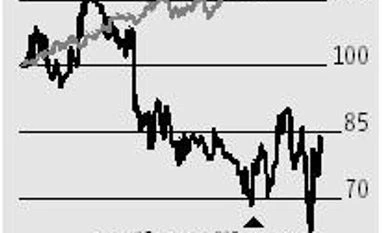
Fortis Healthcare caught the street’s attention after one of India’s prominent investors, Radhakishan Damani’s firm picked half a per cent stake in the healthcare services provider. On Tuesday, its share price surged five per cent, adding to the 40 per cent gains since its three-year low in early February.
For a stock, which has been under pressure due to overhang of litigations and unfavourable court verdict in an Rs 35 billion arbitration case, both involving the promoters, Damani’s stake buy is positive. But, for the faint-hearted investors, they may still want to wait for the clouds to clear.
First, the positive turn of events, which have raised investor optimism recently. The latest is the announcement of promoters having resigned from the Board of Fortis. This has led the Street to anticipate more changes. As new members have been inducted on the Board, the Street expects corporate governance practices to improve.
The definitive agreement signed in November 2017 to acquire the entire portfolio of assets of Singapore-listed RHT Health Trust is also seen in positive light. Fortis, which has an indirect interest of 29.76 per cent in RHT, is acquiring latter’s Indian subsidiaries, a 49 per cent interest in Fortis Hospotel, and other assets including clinics and hospitals (like Escorts Heart) in India. This consolidation will be earnings accretive for Fortis, and also reduce the holding company discount, say experts. Fortis had said the deal will add Rs 2.70 billion to its operating profit besides interest savings of Rs 750 million.
Interestingly, baring the overhang on account of promoters, analysts were already bullish on growth prospects of healthcare services provider, Fortis. In a report last month, Motilal Oswal Securities, for instance, said that it expects operating profit of hospital business to grow more than 4x by FY19 (from FY16) on the back of lower base and improvement in margins for diagnostics business. They had also argued for a multiple re-rating in the stock led by growth potential in hospital business, asset-light expansion strategy and operating leverage gains in diagnostics business.
On the flip side, on February 12, ICRA put Fortis’ ratings on watch with negative implications. Its concerns included credit risk profile being impacted by large fee payable to Business Trust (BT), which is listed in Singapore, recent regulatory actions by National Pharmaceutical Pricing Authority (NPPA) and events surrounding the promoter group. The weaknesses highlighted by Care Ratings include significant amount of liquid/short-term investments being parked in related parties affecting the liquidity profile of Fortis, increased debt levels (2.25x from FY16 to FY17) and pending litigations with respect to Delhi government’s Rs 5.03 billion penalty against EHICL (Escorts Hearts).
Importantly, Fortis is yet to report its quarterly results and one needs to watch for any negative surprises, says G Chokkalingam, founder and managing director, Equinomics Research & Advisory. Further, with the Supreme Court allowing sale of pledged shares held by financial institutions, some of these finding their way to market (adding pressure on stock prices) cannot be ruled out. Clearly, for those wanting a pie of Fortis, they will also have to live with volatility.