FPIs pull out Rs 36,221 cr from markets in 13 days as risk-off intensifies

While a coordinated aggressive monetary easing from the central banks is most likely to offer some respite in the near-term, it is unlikely to improve the sentiments
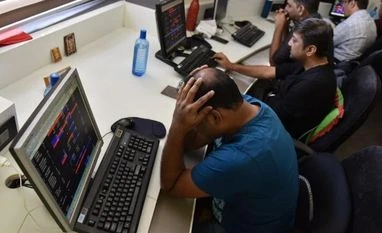
While the health scare has dampened investment sentiment across the globe, India does benefit from the sharp fall in oil prices seen over the past few sessions | Photo: Kamlesh Pednekar
Deepak KorgaonkarPuneet Wadhwa Mumbai / New Delhi
3 min read Last Updated : Mar 13 2020 | 2:36 AM IST
Outflow from the Indian capital markets could pick up pace if foreign institutional investors (FIIs) continue to remain in a risk-off phase, given the coronavirus pandemic that has tightened its grip over most economies, say analysts.

Adopting a cautious approach amid the worldwide outbreak, foreign portfolio investors (FPIs) have already pulled out a net Rs 36,221 crore ($4.96 billion) from the Indian capital markets in the past 13 trading days.

“For FPIs/FIIs, it is more of a global risk-off and not just about India. While the health scare has dampened investor sentiment across the globe, India benefits from the sharp fall in oil prices seen over the past few sessions. As regards coronavirus, we have been relatively unaffected as compared to the developed nations. Thus, the main reason why the FIIs are exiting is the risk-off. So long this persists, India will not be spared,” explains U R Bhat, managing director at Dalton Capital.

According to the latest depositories data, FPIs have pulled out Rs 32,746 crore ($4.49 billion) from the equity segment between February 24 and March 11, 2020. On Thursday, FPIs sold a net amount of Rs 3,475 crore ($471 million). This translates into a total net outflow of Rs 36,221 crore during the period. With Thursday’s fall, the Sensex and Nifty have tanked a massive 20 per cent in just 13 trading days. Domestic mutual funds have bought a net Rs 15,128 crore from the equities. Nischal Maheshwari, ceo for institutional equities & advisory at Centrum Broking, too, echoes a similar view and expects the markets to remain fragile and respond negatively to virus-related developments and dwindling global economic indicators.


“Given the ongoing global risk sentiment, investors are flocking to safe-haven asset classes and avoiding risky emerging market asset classes. Given the global health scare, the Indian economy may enjoy the position of being less vulnerable to such shocks,” Maheshwari said.

While a coordinated and aggressive monetary easing from the RBI is most likely to offer some respite in the near-term, it is unlikely to improve sentiments substantially unless there are signs of abating, analysts say. As regards the impact of COVID-19, analysts at UBS suggest the market is pricing in global growth at only 2 per cent, compared to a long-term average of 3.5 per cent, 4 per cent prior to pandemic worries, and 2.8 per cent before the talks with Opec on oil demand and supply broke down.

“The quick ‘double shock’ has meant that this has been the sharpest eight-week decline in growth expectations since the global financial crisis. Even so, as long as the flow of new cases is rising, the low is likely not yet in place for a number of risk assets. If the virus can be contained, global equities should make new stimulus-powered highs by end-2020. In the intermediate scenario, we still see a recovery in H2, but not enough to keep returns positive for the year,” wrote Arend Kapteyn, global head of economics, strategy research, and chief economist of UBS Investment Bank in a recent report.

One subscription. Two world-class reads.

Already subscribed? Log in

Subscribe to read the full story →
*Subscribe to Business Standard digital and get complimentary access to The New York Times

Smart Quarterly

₹900

3 Months

₹300/Month

SAVE 25%

Smart Essential

₹2,700

1 Year

₹225/Month

SAVE 46%
*Complimentary New York Times access for the 2nd year will be given after 12 months

Super Saver

₹3,900

2 Years

₹162/Month

Subscribe

Renews automatically, cancel anytime

Here’s what’s included in our digital subscription plans

Exclusive premium stories online

  • Over 30 premium stories daily, handpicked by our editors

Complimentary Access to The New York Times

  • News, Games, Cooking, Audio, Wirecutter & The Athletic

Business Standard Epaper

  • Digital replica of our daily newspaper — with options to read, save, and share

Curated Newsletters

  • Insights on markets, finance, politics, tech, and more delivered to your inbox

Market Analysis & Investment Insights

  • In-depth market analysis & insights with access to The Smart Investor

Archives

  • Repository of articles and publications dating back to 1997

Ad-free Reading

  • Uninterrupted reading experience with no advertisements

Seamless Access Across All Devices

  • Access Business Standard across devices — mobile, tablet, or PC, via web or app

Topics :MarketsFPIsFPI outflowFPI indian equitiesIndia FPIMarket sell offMarket rout

Next Story



