Latin America and India are key growth markets for UPL in H2FY20

The company is confident of achieving its revenue growth guidance of 8-10 per cent and operating profit growth guidance of 16-20 per cent for FY20
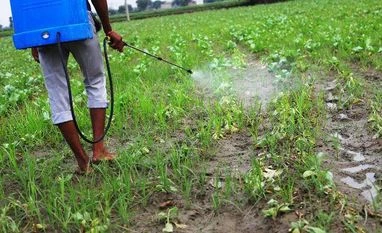
farm
Margins are still expected to grow in FY18 by 50-75 basis points as expected by the management, say analysts at HDFC Securities
Ram Prasad Sahu
2 min read Last Updated : Dec 27 2019 | 2:59 AM IST
The stock of India’s largest agrochemical company has corrected after muted September quarter results, on margin front worries, and higher debt. While the company will continue to face pressures in North America because of a supply glut and weak demand conditions in Europe, this is expected to be offset by growth in its largest market, Latin America, and a better Rabi season in the domestic market. The company is confident of achieving its revenue growth guidance of 8-10 per cent and operating profit growth guidance of 16-20 per cent for FY20.

A muted 2018-19 Rabi season saw a 4 per cent year-on-year decline in the overall acreage on the back of lower sowing of key crops. UPL was the worst-affected among agrochemical companies, registering a fall of 9 per cent in the second half of FY19. 

Analysts at Reliance Securities believe that there would be higher sowing in Rabi 2019-20 owing to the enhanced soil moisture content and sound reservoir level across the country. This should benefit UPL, which is the market leader domestically. India accounted for 15 per cent of revenues in the first half of FY20.

The key would be growth in the Latin American market. The geography recorded 24 per cent growth and accounted for 39 per cent of overall sales in Q2. After the concerns about delayed planning because of the dry season, the recent US Department of Agriculture data points to record production of soybean and corn in Brazil in 2019/20. This, according to analysts at JP Morgan, should support UPL’s performance in the region. 

Reduction in net debt, which increased by $350 million in the first half of FY20, is another trigger. The company has guided for a net debt reduction to the tune of $450 million in the current financial year and this is largely expected to come in the March quarter. 

The reduction in working capital days — from 116 days to around the 100-110-day mark by the end of the year — should help on the leverage front. 


The company is looking to bring down its net debt-to-operating profit to 2 times over the next five quarters, from 3.7 times currently.

Given the deleveraging, synergies from the Arysta acquisition, and better-than-market growth, UPL is expected to outperform peers.

One subscription. Two world-class reads.

Already subscribed? Log in

Subscribe to read the full story →
*Subscribe to Business Standard digital and get complimentary access to The New York Times

Smart Quarterly

₹900

3 Months

₹300/Month

SAVE 25%

Smart Essential

₹2,700

1 Year

₹225/Month

SAVE 46%
*Complimentary New York Times access for the 2nd year will be given after 12 months

Super Saver

₹3,900

2 Years

₹162/Month

Subscribe

Renews automatically, cancel anytime

Here’s what’s included in our digital subscription plans

Exclusive premium stories online

  • Over 30 premium stories daily, handpicked by our editors

Complimentary Access to The New York Times

  • News, Games, Cooking, Audio, Wirecutter & The Athletic

Business Standard Epaper

  • Digital replica of our daily newspaper — with options to read, save, and share

Curated Newsletters

  • Insights on markets, finance, politics, tech, and more delivered to your inbox

Market Analysis & Investment Insights

  • In-depth market analysis & insights with access to The Smart Investor

Archives

  • Repository of articles and publications dating back to 1997

Ad-free Reading

  • Uninterrupted reading experience with no advertisements

Seamless Access Across All Devices

  • Access Business Standard across devices — mobile, tablet, or PC, via web or app

Topics :UPLIndian stocksAgrochemical companiesLatin AmericaSoybean

Next Story



