The US wants to force Iran to the negotiating table over 12 key demands it had listed last year. These include Iran accepting new limits on its nuclear program, ending its ballistic missile testing, and halting interference in the affairs of its neighbouring countries. The Iranian government has so far scoffed at the idea, refusing to engage with the US. Tehran has also categorically said it will not contemplate any modifications to the nuclear deal, which it signed with the US, UK, Russia, France, China and Germany in 2015, bringing an end to years of stringent multilateral sanctions against it. Meanwhile, Trump is likely feeling the pressure to show results after a year of walking out of the nuclear deal, and ahead of the 2020 presidential elections in the US. Will Iran relent? It is hard to see that happening, given the lack of even the slightest conciliatory gestures from Tehran over the past several months. But a near-collapse of its oil exports would hit the Iranian economy harder than ever before, which could force a change in the government’s stance.
The author is founder of Vanda Insights - a Singapore-based provider of global oil markets macro-analysis. Views expressed are her own

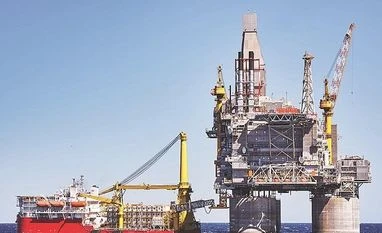 "US ends Iran sanction waivers: What it means for oil and endgame explained")










 Connect with us on WhatsApp