Ponzi schemes can't be matched on return claims: Sebi chief
Sinha said, Sebi has begun working on ways to make it easier for the common investors to access genuine products
Press Trust of India Mumbai Pitching for easier access by common investors to genuine financial products to take on the ponzi menace, capital markets regulator Securities and Exchange Board of India (Sebi) has said there were many good products available, although they cannot match tall claims made by illicit funds.
“No good product or no legitimate investment can guarantee a 20-30-40 per cent return year-on-year, which some of these products claim to offer. No legitimate financial activity in this country can match the promises made by such illegal and unscrupulous fund providers. That is a fact. These schemes cannot be matched, because they are fraudulent,” Sebi Chairman U K Sinha said. He was replying to a question on whether these ponzi schemes promising huge returns to investors were mushrooming because of a lack of good genuine products in the market.
“So, the question arises that whether there are good products available. The answer is, yes, there are plenty of good products available in the market,” Sinha told PTI in an interview.
“While these good products can't compete with any of the unscrupulous products, more importantly, the procedure or transaction of those (good) products is still a problem in remote areas and rural parts of the country”.
Flagging the problems coming in the way of right products reaching the common investors, the Sebi chief said, “If you are a villager or living in a small town, you perhaps, do not have access to certified mutual fund advisors.” Having identified these bottlenecks, Sinha said, Sebi had begun working on ways to make it easier for the common investors to access genuine products. Over the past few years, there has been a major spurt of illicit schemes, many of which are of the nature of ponzi funds where investors are initially given huge returns from the money collected from new investors and at a later stage the operator vanishes leaving all investors in lurch.
Sebi itself has been cracking down on various illicit money-pooling investment frauds, while it has also been granted greater powers to tackle this menace.
Listing out other steps to ensure that investors are provided access to right products, Sinha said, “What we have done is, in partnership with mutual fund industry body AMFI (Association of Mutual Funds in India), we have identified certain districts in the country where we have decided to focus more. The way these 85-86 districts have been identified is that these are the districts where bank deposits are very high and the penetration of capital market products is very low.
“This means, people have got surplus money there and they are using the banking system, but not using the capital market instruments," he added.
Sinha said Sebi has shared the information about these districts with AMFI and the mutual funds have been asked to go and open branches in those areas. The Sebi chairman further said branches are being opened in these areas now and the regulator has also asked the mutual fund industry to adopt districts.
“Just as there used to be district adoption by banks, we have asked the mutual fund industry to adopt districts. So, various fund houses are adopting districts. This has just begun. These are the measures we are taking to let the people (from financial markets) reach the people (who can invest in good products,” he said.
“It is not the case that good products are not available. They are available and we are making sure that goods products reach the people and for that we are working on expanding the depth and breadth of the markets,” Sinha added.

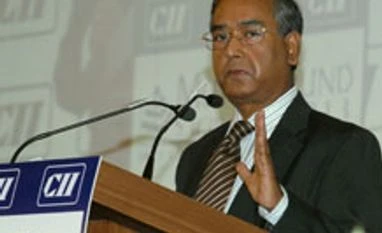 "Ponzi schemes can't be matched on return claims: Sebi chief")


 Connect with us on WhatsApp