The Indian rupee and the 10-year bond prices closed weaker in 2021 from the start of the year but it was a tightly controlled and calibrated slide, as the Reserve Bank of India (RBI) intervened in both asset classes for a softer landing.
The rupee closed at 74.338 a dollar, down from its December 31, 2020, level of 73.065. The 10-year bond yield closed at 6.454 per cent, a relatively steep rise from its start of the year level of 5.865 per cent. Bond prices and yield move in opposite directions.
The year 2021 was difficult for India and the RBI, as the banking regulator, had to rely on unconventional tools to manage its multiple objectives. As the money manager of the government, it had to also manage a Rs 12 trillion-plus market borrowing programme for two successive years at as cheap a rate as possible. It managed to secure a 16-year low weighted average cost for the government. The borrowings are expected to be heavy in 2022, as well, but as the stance changes from accommodative, and rates rise, the government will have to shell out more.
“The RBI tried to support large borrowing of the government in 2021 to whatever extent possible. Overall, the RBI did a good job, even though the point-to-point yields have increased,” said Joydeep Sen, consultant, fixed income at Philips Capital.
Sen expects yields to rise in 2022, as the RBI changes its stance and rates inch up, while the government borrows on the higher side. But he doesn’t expect an alarming rise in yields.
And if in 2022, Indian bonds are included in global bond indices, these bonds could also rally. Morgan Stanley expects an announcement about inclusion by February 2022, and the actual inclusion to happen any time in the first half of the next financial year.
Bonds would rally in both instances, and therefore, it could turn out to be a good year for Indian bonds.
The inclusion would also give strength to the rupee, and much of it could get absorbed by the RBI. The foreign exchange reserves of the country rose from $585 billion to $635 billion in CY21; earlier in the year, the US Treasury marked India on the currency manipulator watchlist, along with nine other countries.
In real effective exchange rate terms, the rupee is overvalued by 15 per cent or so, and its further strength doesn’t augur well for the country’s export competitiveness.
The RBI was in the absorption mode in the first half but nearing the end of the year, the central bank is expected to have sold more than $5 billion in the markets to stem a rupee loss as developed country central banks started tightening their monetary policies.
That kind of two-way intervention will likely continue in 2022, as well. Overall, the bearishness in the rupee will continue and it may even touch its record low against the dollar, as rates in the US firm up.
“The rupee can be expected to touch its all-time low, say crossing 78, before stabilising around 75-plus levels in 2022,” said Imran Kazi, vice-president at currency consultant Mecklai Financial Services.

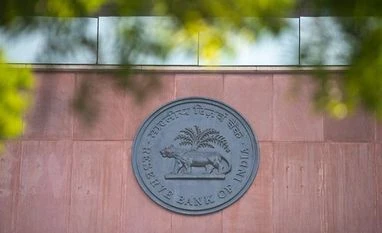 "RBI eased grip on bond and rupee in 2021, managing multiple objectives")












 Connect with us on WhatsApp