
Debt trap: RCom shares, bonds continue to tumble amid debt concerns
Debt concerns continue to also depress shares of 4 other Anil Ambani firms
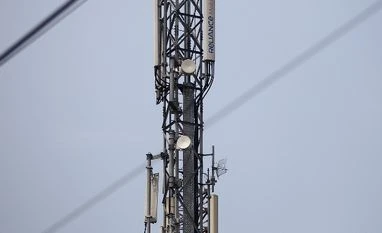 "Debt trap: RCom shares, bonds continue to tumble amid debt concerns")
premium
WebinarsNew
Deep DiveNew
Explore Business Standard
Debt concerns continue to also depress shares of 4 other Anil Ambani firms
Shares and bonds of the Anil Ambani-led Reliance Communications (RCom) continued to tumble on Monday, amid concern around mounting debt and ability to service the loans, given the competitive pressure in telecom.
Shares of RCom dropped as much as 24 per cent to hit an intra-day low of Rs 19.7. It recovered marginally to end at Rs 20.5, down Rs 5.3 or 20.5 per cent on the BSE.
The company's $300-million bonds, due in 2020, dropped 14 per cent to a record low, according to prices compiled by Bloomberg.
Shares of four other Anil Ambani-controlled companies fell between six and 11 per cent, for the same reason. Data compiled by Capitaline estimates the five companies' debt dues at a combined Rs 125,000 crore as of end-March.
Shares of group companies have come under pressure in the past two weeks after rating agency Icra downgraded the scores on these. While shares of Rcom have tumbled 33 per cent since May 19, Reliance Infra and Reliance Capital are down 21 per cent and 18 per cent, respectively.
"Investors are concerned over the group's repayment capacity. It has failed to reduce its debt substantially over the past two years," said S P Tulsian, analyst.
RCom appears to have defaulted on loan servicing obligations. Several banks have put its loans into 'special mention accounts'; this means interest payments are overdue. The company has told bankers it would repay part of the debt after it completed certain asset sales.
The wireless carrier is awaiting formal confirmation by the lenders for "waivers of certain loan covenants", it said in an exchange filing on Saturday, without elaborating.
"Banks are under pressure to tackle non-performing assets (NPAs). So, quite a few marginal cases that aren't bad loans have also come under strong scrutiny," explains U R Bhat, director at Dalton Capital Advisors India, while declining to comment specifically on Reliance. "The whole system is more serious now and not focusing on gaming the rules."
The phone carrier is asking its lenders for more time to repay some of its dollar and rupee-denominated bank loans, with both sides in discussion, according to sources who asked not to be named. Reliance is seeking to pay its dues before the debts are classified as NPAs, according to the sources.
Its net debt topped $6.8 billion or 1.8 times its shareholders' equity as of the end of March from a multiple of 1.5 a year earlier, according to the company.
Its cash and operating cash flow in the coming months are unlikely to cover short-term debt and capital expenditure, according to a Monday note from Lucror Analytics.
Separately, the company on Saturday reported its first-ever annual loss and said it was seeking waivers on some bank loan covenants.
Earnings have suffered as the company, whose value has fallen below $1 bn, struggles to compete in one of the world's cheapest and most competitive mobile phone markets. Adding to competitive pressure on carriers, Anil Ambani's elder brother, Mukesh, roiled the sector last year by starting his Jio service, with free calls and months of free data.
Already subscribed? Log in
Subscribe to read the full story →

3 Months
₹300/Month
1 Year
₹225/Month
2 Years
₹162/Month
Renews automatically, cancel anytime

Premium stories handpicked daily by our editors


News, Games, Cooking, Audio, Wirecutter & The Athletic
Digital replica of our daily newspaper — with options to read, save, and share


Insights on markets, finance, politics, tech, and more delivered to your inbox
In-depth market analysis & insights with access to The Smart Investor


Repository of articles and publications dating back to 1997
Uninterrupted reading experience with no advertisements


Access Business Standard across devices — mobile, tablet, or PC, via web or app
First Published: May 30 2017 | 8:38 AM IST


 Connect with us on WhatsApp