Shares of RSWM slipped 17 per cent to Rs 148 apiece, also their 52-week low on the BSE in early trade after the company reported a net loss of Rs 28.53 crore in December 2018 quarter (Q3FY19) on lower sales. The textile company had posted a profit of Rs 9.21 crore during the same quarter last fiscal.
The company’s operational revenue during the quarter under review declined 12 per cent to Rs 689 crore against Rs 787 crore in the corresponding quarter of previous fiscal.
RSWM has posted a net loss of Rs 18 crore in the first nine months (April-December) of the current financial year 2018-19 (FY19). It posted a net profit of Rs 14.50 crore during the entire previous financial year 2017-18 (FY18).
Multiple headwinds including overcapacity in spindles, fabric and denim segments; lingering impact of demonetisation; high average cotton procurement cost, and Goods and Service Tax (GST) implementation and its transitional difficulties affected the margins. Sales declined in July and early August 2018 due to strikes in all the major textile markets and exports remained under pressure due to a stronger rupee against the US dollar and weak import demand from China.
In past one month, the stock of RSWM has underperformed the market by falling 42 per cent, as compared to unchanged in the S&P BSE Sensex. In past one year, the stock tanked 58 per cent against 5 per cent gain in the benchmark index.
The rating agency India Ratings and Research (Ind-Ra) in September 2018 has downgraded RSWM Limited’s long-term issuer rating to ‘IND A’ from ‘IND A+’ with a stable outlook.
The downgrade reflects RSWM’s subdued profitability in FY18, leading to a weakening of its credit metrics and overall financial profile. The textile industry faced acute market disruptions during the implementation of the GST) and demonetisation. Both the events resulted in weak cash flow from operations, leading to high leverage and the need to refinance debt repayments over FY18. Ind-Ra also expects the company to consciously deleverage over FY19, strengthen the capital structure and timely refinance its bank loans if required over FY20-FY21. The oversupply in some of the segments, however, continues to put pressure on the margins, hence liquidity and leverage position would remain a key monitorable.
At 10:38 am; RSWM was trading 12 per cent lower at Rs 157 on the BSE, as compared to 0.38 per cent fall in the S&P BSE Sensex. The trading volumes on the counter more than doubled with a combined 88,120 equity shares changed hands on the BSE and NSE so far.

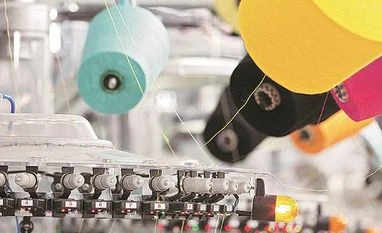 "RSWM hits 52-week low, slips 17% on Rs 28.5 crore loss in December quarter")










 Connect with us on WhatsApp