
Uber sets terms for a $90-billion IPO, posts $1 billion loss in Q1
The valuation that Uber is seeking in its IPO is less than the $120 billion that investment bankers told Uber last year it could fetch
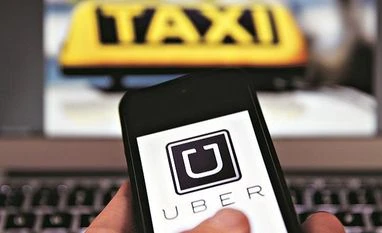 "Uber sets terms for a $90-billion IPO, posts $1 billion loss in Q1")
WebinarsNew
Deep DiveNew
Explore Business Standard
The valuation that Uber is seeking in its IPO is less than the $120 billion that investment bankers told Uber last year it could fetch
Ride-hailing company Uber Technologies Inc is aiming for a valuation of up to $91.5 billion in its initial public offering, potentially the largest U.S. listing in years and a test of investor appetite for a high-growth but highly unprofitable business.
The valuation that Uber is seeking in its IPO is less than the $120 billion that investment bankers told Uber last year it could fetch, and closer to the $76 billion valuation it attained in its last private fundraising round in 2018.
This reflects the poor stock performance of its smaller rival Lyft Inc following its IPO last month. Lyft shares ended trading on Thursday down more than 20 percent from their IPO price amid investor skepticism over its path to profitability.
Lyft completed its IPO at a valuation of $24.3 billion, which corresponded to around 11 times its 2018 revenue. By comparison, the top end of Uber's valuation target is around 8 times its revenue last year.
In a regulatory filing on Friday, Uber set a target price range of $44 to $50 per share for its IPO. The company will sell 180 million shares in the offering to raise up to $9 billion, with a further 27 million sold by existing investors for as much as $1.35 billion.
Reuters reported this month that the combined value of Uber shares sold in the IPO could be around $10 billion.
The Uber IPO would rank it as the largest in the United States since that of Chinese e-commerce giant Alibaba Group Holding Ltd in 2014.
The updated public filing comes as Uber gears up to begin its investor road show, in which management will spend the coming days pitching Uber to public markets investors. Uber expects to price the IPO on May 9 and then begin trading on the New York Stock Exchange the following day, people familiar with the matter have said.
Of the stock being sold in the IPO by existing Uber investors, 6.86 million shares are from Uber co-founders Travis Kalanick and Garrett Camp, meaning the two men could jointly pocket $343 million if the IPO prices at the top end of its current range.
Uber will face a host of questions from investors, including when it will turn a profit, how it will navigate the transition to autonomous vehicles and whether its business model can support higher driver costs from minimum wage rules.
Underscoring the company's ability to generate revenue but also the scale of its losses, Uber reported in the filing a net loss attributable to the company for the first quarter of 2019 of around $1 billion on sales of roughly $3 billion.
"When it comes to Uber, we believe there are still questions over the current car-sharing model, the economics of which are not immediately or obviously attractive for sustainable, long-term investment," Mark Hargraves, head of Framlington Global Equities, wrote in a note.
Uber also said PayPal had agreed to purchase $500 million of stock in a private placement at the price the IPO eventually settles at. The two companies also said they were extending an existing partnership to "explore future commercial payment collaborations."
CONSERVATIVE VALUATION
Two other IPOs this month, those of online scrapbook company Pinterest Inc and video conferencing company Zoom Video Communications Inc, have performed much better than Lyft. Uber, however, has chosen to still value itself conservatively.
One advantage Uber will likely seek to play up to investors is that it is the largest player in many of the markets in which it operates, and the fact that it operates around the world.
Analysts consider building scale crucial for Uber's business model to become profitable.
During Uber's IPO road show, Chief Executive Dara Khosrowshahi will be also tasked with convincing investors that he has successfully changed the company's culture and business practices after a series of embarrassing scandals over the last two years.
Those have included sexual harassment allegations, a massive data breach that was concealed from regulators, use of illicit software to evade authorities and allegations of bribery overseas.
First Published: Apr 26 2019 | 8:56 PM IST


 Connect with us on WhatsApp