
Pistorius' disability can influence his sentencing next month
There is no prescribed sentence for culpable homicide in South African law and can be decided at the discretion of the judge
 "Pistorius' disability can influence his sentencing next month")
WebinarsNew
Deep DiveNew
Explore Business Standard
There is no prescribed sentence for culpable homicide in South African law and can be decided at the discretion of the judge
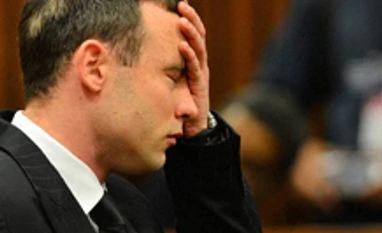
Experts have said that Paralympic runner Oscar Pistorius' disability could be a factor affecting his sentence when the judge presiding in his case begins sentencing hearings next month.
They believe that Pistorius might get the maximum 15 years in prison or a much lighter sentence, even a no-prison sentence, in light of his disability.
Pistorius was cleared of murder on Thursday for shooting his girlfriend, Reeva Steenkamp, dead on Valentine's Day last year. He was, however, convicted on Friday of culpable homicide, roughly equivalent to manslaughter, and of discharging a gun in a public area, ABC News reported.
Judge Thokozile Masipa, who will decide Pistorius' sentence, has set October 13 for the hearings to begin. The maximum sentence for culpable homicide is 15 years.
Defence lawyer Gordon Scheepers said there is no prescribed sentence for culpable homicide in South African law, adding that the sentence can be decided at the discretion of the judge on the basis of the weight of evidence and circumstances surrounding the incident.
Scheepers also said in this case, Pistorius is a double amputee, who, according to all indications, has a fragile mental state.
If Masipa decides to send Pistorius to prison, he will not be the only disabled person to be incarcerated. Criminology professor Anni Hesselink, who regularly visits detainees in jail, revealed that there are several disabled prisoners in Pretoria's Kgosi Mampuru II prison.
South Africa's prisons are notoriously overcrowded and violent places, but the nature of Pistorius' disability and his vulnerable mental state could afford him some extra protection.
Hesselink said that Pistorius' prosthetic legs could be deemed potentially dangerous weapons, adding that his celebrity status could also make him the target of attacks, threats or extortion, and this could mean that he would likely be kept separately from other prisoners.
Meanwhile, Scheepers added that the authorities would be careful not to be seen giving Pistorius special privileges, but his high-profile reputation would inevitably play a part.
Disabled prisoners are also given a chance of being granted medical parole, the report added.
First Published: Sep 13 2014 | 10:55 AM IST


 Connect with us on WhatsApp