Best of BS Opinion: Govt must protect EPFO, savings lifeline for Indians

Here's a selection of Business Standard opinion pieces for the day
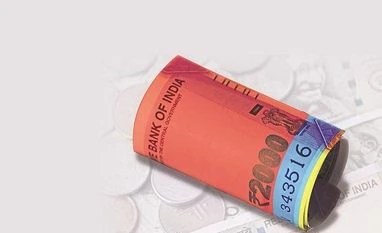
Rupee, EPFO, money, economy
Pallav Nayak
2 min read Last Updated : Oct 23 2019 | 7:47 AM IST
Why the collapse of PMC Bank should ring the alarm for a potential bigger crisis and how controversial cow protection policies have proved to be futile. Pallav Nayak sums up the views.

Amartya Sen won the Nobel Prize for Economics in 1998. And now Abhijit Banerjee, also from India, has won the Prize. Just about two decades separate the two events. Yet, it seems that the India of today is significantly different from what it was then, writes A K Bhattacharya.

The failure of PMC Bank has once again thrust attention on the ailing residential real estate market in India. PMC Bank’s downfall was essentially sparked by loans to a real estate firm that could not pay it back. That's worrying because, historically, most financial crises have been driven by a crash in the real estate market, writes Diva Jain.

The government would be well advised to release funds to the EPFO. The pension fund is reported to be in deficit. India doesn’t have a robust social security system and, thus, it is important to protect and expand the institutional mechanism in place, says our first edit.

The futility of the government’s controversial cow protection policies is evident from the 20th livestock census (2019) data. It shows the livestock-keepers’ choice of the animals and their breeds is guided more by their utility value rather than the government’s diktats, says our second edit.

Quote Of The Day
 
"I had a cordial and good meeting. Prime Minister Modi started by cracking a joke on how media is trying to trap me to say anti-Modi things. He's been watching TV and he's been watching you guys. And he knows what you are trying to do.” 
-- Abhijit Banerjee, co-winner of the 2019 Nobel Prize for Economics.

One subscription. Two world-class reads.

Already subscribed? Log in

Subscribe to read the full story →
*Subscribe to Business Standard digital and get complimentary access to The New York Times

Smart Quarterly

₹900

3 Months

₹300/Month

SAVE 25%

Smart Essential

₹2,700

1 Year

₹225/Month

SAVE 46%
*Complimentary New York Times access for the 2nd year will be given after 12 months

Super Saver

₹3,900

2 Years

₹162/Month

Subscribe

Renews automatically, cancel anytime

Here’s what’s included in our digital subscription plans

Exclusive premium stories online

  • Over 30 premium stories daily, handpicked by our editors

Complimentary Access to The New York Times

  • News, Games, Cooking, Audio, Wirecutter & The Athletic

Business Standard Epaper

  • Digital replica of our daily newspaper — with options to read, save, and share

Curated Newsletters

  • Insights on markets, finance, politics, tech, and more delivered to your inbox

Market Analysis & Investment Insights

  • In-depth market analysis & insights with access to The Smart Investor

Archives

  • Repository of articles and publications dating back to 1997

Ad-free Reading

  • Uninterrupted reading experience with no advertisements

Seamless Access Across All Devices

  • Access Business Standard across devices — mobile, tablet, or PC, via web or app

Topics :EPFOCurated Content

Next Story


