Correction in Nalco an opportunity for investors

Improving alumina, aluminium volumes, realisation point to strong prospects
Nalco
.
Ujjval Jauhari New Delhi
Last Updated : Apr 20 2017 | 12:14 AM IST

Don't want to miss the best from Business Standard?

The government started its FY18 divestment process with up to 10 per cent stake sale in National Aluminium Company or Nalco, on Wednesday. With the floor price at Rs 67 compared to the stock’s closing of Rs 73 on Tuesday, the stock fell seven per cent. Though near-term pressure due to geo-political events could pressure base metal prices, longer-term outlook remains firm. And now, with divestment behind, the road ahead looks good.

Nalco has seen strong turnaround in prospects, with base metal prices rallying on London Metal Exchange (LME) during 15 months. Tonne price of aluminium surged from sub-$1,500 on LME at the start of 2016 to $1,960 last month-end. Nalco’s stock price has rallied from lows of Rs 31.6 to highs of Rs 79.8 during this period. Prices of alumina (a key ingredient to make aluminium) have improved and at $341 a tonne in March quarter are up 56 per cent year over year. 

Thanks to its high-grade captive bauxite mines, Nalco continues to be the lowest-cost producer of alumina. It has cut production cost to $210 a tonne compared to global benchmark of $220-230. The company is working on costs further and increased captive coal may drive benefits. The company has signed allocation agreement for two coal blocks (capacity 200 million tonnes). The coal production from Utkal D mine could start in two years and analysts at HDFC Securities see further reduction in production costs by Rs 500 a tonne. 

The rising energy security will also benefit its aluminium segment, which in the past had seen its profitability getting impacted due to coal costs. For now, better aluminium realisations are accruing benefits. The possibility of minimum import price on aluminium products could help players like Nalco further boost realisations and margins. There are also talks of China planning halt of aluminium plants violating 2015 rules and any output cut from China will push aluminium prices.


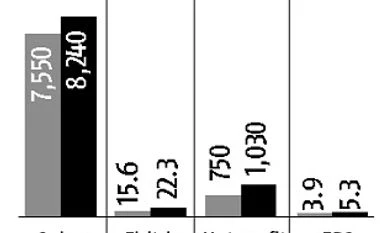
For the quarter ended March, LME aluminium prices were up eight per cent sequentially to $1,848 a tonne. Analysts at Motilal Oswal say the company’s operating profit will more than double sequentially to Rs 530 crore on higher aluminium and alumina realisations and higher alumina volumes as they expect Nalco, along with Vedanta and Tata Steel, to outperform in the metals pack. While improving financials bode well for Nalco’s earnings, strong and consistent dividend yield is an added positive. Corrections, as the current one, offer opportunity for investors, who can also participate in the offer for sale that closes on Thursday.

One subscription. Two world-class reads.

Already subscribed? Log in

Subscribe to read the full story →
*Subscribe to Business Standard digital and get complimentary access to The New York Times

Smart Quarterly

₹900

3 Months

₹300/Month

SAVE 25%

Smart Essential

₹2,700

1 Year

₹225/Month

SAVE 46%
*Complimentary New York Times access for the 2nd year will be given after 12 months

Super Saver

₹3,900

2 Years

₹162/Month

Subscribe

Renews automatically, cancel anytime

Here’s what’s included in our digital subscription plans

Exclusive premium stories online

  • Over 30 premium stories daily, handpicked by our editors

Complimentary Access to The New York Times

  • News, Games, Cooking, Audio, Wirecutter & The Athletic

Business Standard Epaper

  • Digital replica of our daily newspaper — with options to read, save, and share

Curated Newsletters

  • Insights on markets, finance, politics, tech, and more delivered to your inbox

Market Analysis & Investment Insights

  • In-depth market analysis & insights with access to The Smart Investor

Archives

  • Repository of articles and publications dating back to 1997

Ad-free Reading

  • Uninterrupted reading experience with no advertisements

Seamless Access Across All Devices

  • Access Business Standard across devices — mobile, tablet, or PC, via web or app

Next Story



