3 min read Last Updated : Apr 02 2020 | 11:55 PM IST
The outbreak of Covid-19 is resulting in widespread economic dislocation across the world. While the global economy is likely to slip into a sharp recession, economic activity in an emerging-market country like India has also been severely affected. The impact of the pandemic on economic activity and the ensuing uncertainty have resulted in a wider sell-off in risk assets. Global portfolio managers, for instance, pulled out over $80 billion from emerging markets in March. Foreign portfolio investors sold Indian stocks and bonds worth over $15 billion in March, resulting in significant volatility in both the markets. The benchmark stock-market indices declined by over 20 per cent. However, despite the global turmoil, the rupee has remained comparatively stable. It has declined about 6 per cent against the US dollar since the beginning of the year, though the bulk of the fall came in March.
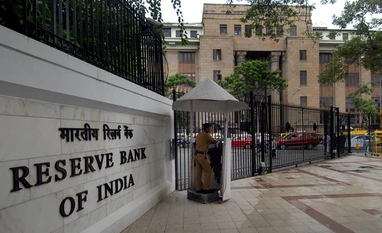
The Reserve Bank of India (RBI) has been actively intervening in the currency market. For instance, India’s foreign exchange reserves fell by about $12 billion in the week ended March 20, and is likely to have been used to contain volatility in the currency market. Excess currency volatility in times of financial stress can become self-fulfilling and induce greater instability in financial markets. In fact, the RBI has been intervening heavily in the currency market for quite some time now. It managed to accumulate about $68 billion worth of reserves in 2019. India’s foreign exchange reserves were close to a high of about $490 billion early last month. The central bank has now decided to allow Indian banks, which operate International Financial Services Centre Banking Units, to participate in the offshore market. The RBI is reported to have intervened even in the offshore market recently to contain volatility. The offshore non-deliverable forward (NDF) market tends to increase volatility in the currency market.
However, the RBI’s decision is not in line with the recommendations of the taskforce headed by former RBI deputy governor Usha Thorat. As Ms Thorat noted in this newspaper, among other things, it was suggested that removing the separation between the offshore and onshore markets will improve liquidity and price discovery. But the taskforce felt it was important to bring the NDF market onshore before allowing Indian banks to participate in that market. The RBI’s move is likely to contain volatility in the offshore market. However, the central bank should make sure that it doesn’t end up hurting the onshore market in the long run.
Although the RBI has done well to contain excess volatility in the currency market, it is important to note that the Indian rupee is still significantly overvalued in real terms and should be allowed to depreciate. The decline in crude oil prices and reduction in the current account deficit will give strength to the rupee. The oil price decline in 2014-15 resulted in significant appreciation in real terms. The RBI should avoid such an outcome. Further, as and when the Covid-19-related economic risks start to ebb, the massive injection of liquidity by large central banks, such as the US Federal Reserve, will find its way to emerging-market countries like India, as happened after the financial crisis. This would put upward pressure on the rupee. Therefore, apart from containing excess volatility, the central bank should ensure that the value of the rupee doesn’t affect India’s external competitiveness.