The two principal reasons the employment rate could fall further are: First, the government’s predilections and second, the private sector’s disincentives. The government seems predisposed to fiscal prudence even during the extraordinary times of today. Given its reluctance to spend aggressively or even indicate its intentions to spend, the private sector lacks the business argument in favour of expanding or investing into capacity creation or creation of new jobs.
Given the sharp compression of demand as a consequence of the lockdown, private enterprise can be expected to shrink its spending budgets in all possible ways. The impact of this will not be limited to the people it employs directly but it will also be on the jobs in businesses that serve these enterprises. If a large company sharply reduces its spending on travel, for example, it not only leads to a direct loss of people within the company who handle the travel plans of its executives but also jobs in travel services companies. The impact of private enterprise shrinking its business is, therefore, much larger than the observed fall in their wage bill or head count. Exhorting companies to not retrench its staff in the face of the lockdown was, therefore, facile.

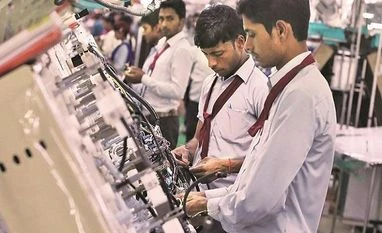 "Employment rate could get worse as govt won't spend, private sector can't")










 Connect with us on WhatsApp