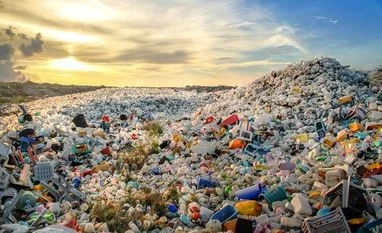
The unregulated nature of the waste management industry in India has turned the country into a vast dumping ground for the world’s garbage with damaging consequences for public health and the environment. Much of this is powered by lax controls and monitoring, outright corruption, and, most importantly, the availability of a vast labour pool of unemployed Indians living in extreme poverty in different parts of the country. This much is clear from a recent investigative report by Bloomberg, which revealed that Muzaffarnagar, just 128 km north of Delhi, is a major dumping ground for plastic waste from the US. Most of this slips in under the guise of recycled paper imports that the region’s paper mills rely on as a cheaper source of raw material than wood pulp. Under the laws, the government permits up to 2 per cent contamination in recycled paper, a rule that appears to have opened the floodgates for vast quantities of other plastic waste such as shipping envelopes, dirty diapers, and plastic bottles to enter the country, virtually unchecked.
This mountain of imported waste, however, represents a steady source of employment to thousands of rag-pickers. At the mills, they sort through the garbage for valuable items that can be recycled, such as water bottles. Unlicensed contractors take the rest and pay as little as $3 a day, according to the Bloomberg report, to conduct a second sorting for other recyclable material before reselling it to paper and sugar mills as fuel. Since none of these mills has boilers and furnaces hot enough to fully incinerate this waste or filtration plants to control for toxic emissions, this congested city’s 700,000-odd inhabitants inhale ash filled with microplastics on a regular basis.
The report uncovered one aspect of a dirty secret about India’s waste management business. The other known but unacknowledged practice comes from e-waste, not just what is generated within the country from laptops, mobile phones, and sundry other consumer electronics but also imported from the West. As far back as 2015, the United Nations had warned that up to 90 per cent of the world’s electronic waste is deposited in India. As with Muzaffarnagar, this toxic dump represents a relatively stable source of livelihood for the informal sector of raddiwalas. They are paid a pittance a day by unorganised-sector recyclers to pick out, without protective equipment, valuable components to resell. The rest is disposed of by the simple expedient of being tossed on to bonfires, which spew lethal contaminants into the air. Notably this business flourishes even though the government banned the import of e-waste under rules notified in 2016. Earlier this year, the government told Parliament that 29 cases of illegal e-waste import were detected across the country since 2019.

 "Dumping ground")












 Connect with us on WhatsApp