Associate Sponsors

Co-sponsor

India’s infrastructure deficit is often regarded as one of the biggest constraints in rapid economic growth. The lack of proper infrastructure adds to the overall cost of production and affects the competitiveness of Indian businesses. The government has been working in this area and invested a significant amount of resources in recent years. However, along with improvement in infrastructure, its efficient use is important to contain costs. The National Logistics Policy, launched by Prime Minister Narendra Modi last week, should help Indian businesses improve efficiency over time. Logistics costs in India are estimated to be 13-14 per cent of gross domestic product, and the policy seeks to bring them below 10 per cent as quickly as possible. The logistics policy will build on the PM Gatishakti plan, which is expected to provide multimodal connectivity in various economic zones.

India’s logistics sector is extremely fragmented, which adds to the cost of doing business. According to one estimate, the sector involves over 20 government agencies and a host of certifications. Better coordination among different government agencies will smoothen the movement of cargo and reduce the turnaround time. An increase in systemic efficiency will boost overall activity and help create employment even in the logistics sector, which supports the livelihood of over 22 million people. The government has been working in this area for a while and the policy was in the making for several years. The Union government created the Logistics Division in the Department of Commerce in 2017 to enable the integrated development of the sector. A draft logistics policy was published in 2019, but the implementation was delayed, partly because of the pandemic.

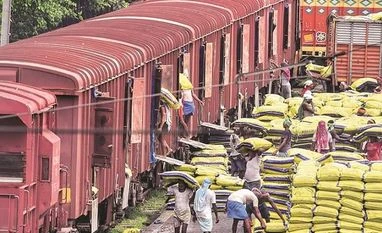
One of the objectives of the policy is to improve multimodal cargo movements for optimal use of transport infrastructure. In this context, it is worth mentioning that the government recently revised the land use policy of the Indian Railways to enable longer-term leasing of surplus railway land at a much lower rate for setting up cargo terminals, among other things. Better usage of the railway ecosystem for cargo management will also be environmentally efficient. Another objective of the policy is to use technology to improve efficiency in terms of tracking the movement and better use of warehouses. The Unified Logistics Interface Platform, which was also launched on Saturday, will help bring all digital services in the transport sector to a single portal. A system has also been put in place where industry associations can raise issues related to operations.

A number of state governents have formed their logistics policy, while some are still in the process of doing so. It is important that the Union and all state governments work together to address inefficiencies in the logistics sector. Lower logistics costs will make Indian businesses more competitive and help push up exports, which can become an important driver of growth and employment generation over the medium term. A 10 per cent reduction in logistics costs is estimated to push up exports by 5-8 per cent. However, the overall objective of reducing logistics costs will also depend on sustained investment in the infrastructure sector. Expansion in the general government budget deficit and public debt because of the pandemic may affect expenditure in the sector over the coming years.

One subscription. Two world-class reads.

Already subscribed? Log in

Subscribe to read the full story →
*Subscribe to Business Standard digital and get complimentary access to The New York Times

Smart Quarterly

₹900

3 Months

₹300/Month

SAVE 25%

Smart Essential

₹2,700

1 Year

₹225/Month

SAVE 46%
*Complimentary New York Times access for the 2nd year will be given after 12 months

Super Saver

₹3,900

2 Years

₹162/Month

Subscribe

Renews automatically, cancel anytime

Here’s what’s included in our digital subscription plans

Exclusive premium stories online

  • Over 30 premium stories daily, handpicked by our editors

Complimentary Access to The New York Times

  • News, Games, Cooking, Audio, Wirecutter & The Athletic

Business Standard Epaper

  • Digital replica of our daily newspaper — with options to read, save, and share

Curated Newsletters

  • Insights on markets, finance, politics, tech, and more delivered to your inbox

Market Analysis & Investment Insights

  • In-depth market analysis & insights with access to The Smart Investor

Archives

  • Repository of articles and publications dating back to 1997

Ad-free Reading

  • Uninterrupted reading experience with no advertisements

Seamless Access Across All Devices

  • Access Business Standard across devices — mobile, tablet, or PC, via web or app

Topics :logisticsinfrastructureIndian RailwaysBusiness Standard Editorial Comment

Next Story