3 min read Last Updated : Feb 13 2022 | 11:03 PM IST
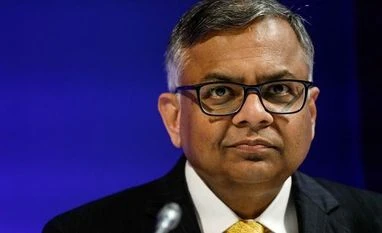
The board of directors of Tata Sons has reappointed N Chandrasekaran executive chairman of the conglomerate for another five years, following a recommendation from Tata Trusts Chairman Ratan N Tata. This is not altogether a surprise because Mr Chandrasekaran has been seen as a steadying hand after the turbulent period in which Cyrus Mistry took over the group and clashed with Mr Tata and other stakeholders. The Tata Trusts, which continues to own two-thirds of the holding company, will also beef up its presence on the Tata Sons board. The continuity will be seen as good news for the vast and diversified business group. But Mr Chandrasekaran’s second term will also see a large number of challenges that he will have to address.
His tenure has seen a number of major decisions. For one, Tata Steel’s purchase and incorporation of Bhushan Steel into the group for Rs 35,200 crore in 2018 have been a landmark not just for the group but also for the broader insolvency and bankruptcy process. It has managed to turn around the formerly bankrupt company in two financial years, partly through streamlining processes between Tata Steel and Tata Steel BSL, as Bhushan Steel was renamed. Captive raw material, which Tata Steel has a cheap supply of, was shared, Tata Steel BSL was used as a contract manufacturer for some Tata Steel-branded products, and shipments and inputs benefited from combined management. Debt was run down, standing at under Rs 18,000 crore by the end of the last financial year as compared to Rs 63,000 crore during the insolvency process.
The group also extended its foray into newer spaces, including e-retail through Tata Digital; it bought a majority stake in the online grocery delivery service BigBasket in May 2021 reportedly for Rs 9,500 crore. Much anticipation also surrounds the “super-app” Tata Neu, which is meant to link various Tata properties, from airlines to grocery deliveries, to electronics through Croma and Tata Cliq, clothes through Westside, Taj Hotels hospitality through Indian Hotels, and so on. Such super-apps have as yet no proven business case, but the assumption is that shared and transferable rewards will lure customers to the Tata ecosystem.
Going forward, Mr Chandrasekaran will have to deal with the Rs 18,000-crore question: What to do with Air India, now that the group’s long and emotionally invested quest to regain control of India’s first airline has been successful. Turning around a customer-facing enterprise with a tarnished brand name and a legacy of poor service and battered infrastructure will hardly be easy. The Tatas’ investment in the civil aviation sector is in any case complicated, since, besides Air India and Air India Express, they also have two co-owned ventures —the low-cost Air Asia India, with the Southeast Asian carrier, and the full-service Vistara with Singapore Airlines. How these will be integrated is far from certain; managing the transformation of Air India’s over 12,000 employees into a private sector mindset will be a major challenge as well. And the central conundrum at the heart of the Tata group —its overdependence on the cash generated by Tata Consultancy Services in the IT-enabled services sector —does not seem to have any real solution in sight.