IndusInd premium valuations likely to stay
Bad loans slightly high in March quarter, but other metrics meet Street expectations
Hamsini Karthik On a day when most banking stocks were buzzing, the stock of IndusInd Bank closed down about 1.3 per cent. Provisions for bad loans made in the fourth quarter of 2015-16 (Q4FY16) at Rs 214 crore almost doubled compared to the figure a year ago, while gross non-performing assets (GNPA) ratio inched up from 0.82 per cent in Q4FY15 to 0.87 per cent.
Analysts say the reaction is knee-jerk as the GNPA ratio continues to stay under one per cent. Siddharth Purohit of Angel Broking says this is not a cause for concern and there are no negatives in the results. On the positive side, none of the bank's loan accounts finds mention in the asset review list of the Reserve Bank of India and its numbers were in line with Street estimates.
Read more from our special coverage on "INDUSIND BANK"
Further, net interest income at Rs 1,268 crore grew 37 per cent year-on-year (y-o-y) and net profit (Rs 620 crore) rose 25 per cent y-o-y. Low cost of funds (5.73 per cent) helped the net interest margin (NIM) expand 26 basis points y-o-y to 3.94 per cent. While the Street was expecting some moderation in NIM because of Marginal Cost of Lending Rate-based computation of rates, the bank has forecast for no more than three-four-basis-point decline.
Core fee income at Rs 774 crore (up 36 per cent y-o-y) was helped by higher growth from segments such as loan-processing fee, investment banking operations, and trading. Total loans at Rs 88,419 crore registered a healthy 29 per cent y-o-y growth. Notably, the share of consumer or retail loans increased to 44 per cent in Q4FY16, as against 41 per cent a year ago. Given the optimism about a likely revival in the commercial vehicles industry, complemented by factors such as low diesel price and road freight rates holding up, the bank expects this segment (which accounts for 16 per cent of retail loans) to remain buoyant in the near to medium term.
But, taking note of growing competition, the bank may raise focus on lending to microfinance institutions (part of corporate lending portfolio) as a hedge. Ravi Shenoy of Motilal Oswal Securities says strong core profitability (three per cent of average assets versus 2.5 per cent for peers), improving current account-savings account ratio, and healthy return ratios (return on equity at 14.56 per cent in Q4FY16) are key positives. In fact, analysts say with these positives packed in, the premium valuation (2.92 times FY17 price-to-book value) of the bank may sustain.

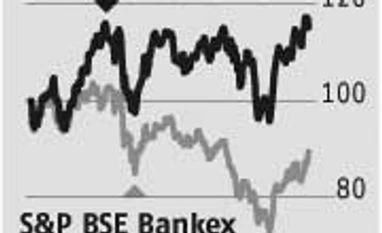 "IndusInd premium valuations likely to stay")


 Connect with us on WhatsApp