More to Air India's discounting spree than a reaction to Vistara
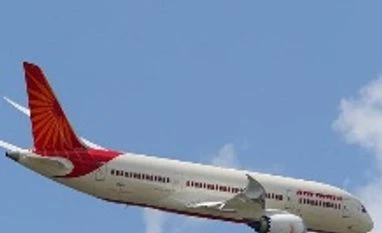
It's possible Air India is trying hard to shore up its brand image by encouraging passengers to travel on its new wide-body Boeing 787 Dreamliner fleet
Roudra Bhattacharya New Delhi The flash sale on domestic tickets announced by Air India earlier this week may have received tremendous response from flyers and stimulated air travel during a typically lean season, but mindless pricing without sound economics to back it up is most likely to pull the industry deeper into the red.
While airlines' accumulated losses are already at about Rs 50,000 crore - with half of that coming from Air India, rivals like Jet Airways, IndiGo and even Go Air have joined the fray in order to secure a sizable chunk of the passenger pie. Of the three, IndiGo runs a profitable ship, but deep discounting will clearly be a challenge for others like Jet, which posted record losses of over Rs 4,000 crore in 2013-14.
While Air India's fare cut by up to 50% on some routes (such deep discounts are especially surprising for a full-service carrier) is largely seen as a reaction to the entry of another full-service carrier Tata-SIA's Vistara in to the market, there is clearly more to the story. At this point, Vistara only has two aircraft and poses minimal competition because it is flying just a couple of destinations from its New Delhi base - Mumbai and Ahmedabad.
A more likely explanation is that Air India is trying hard to shore up its brand image by encouraging passengers to travel on its new wide-body Boeing 787 Dreamliner fleet which it lately has started extensively deploying on domestic routes. Barring Jet, none of the rivals deploy such large aircraft on domestic routes, so the spanking new aircraft is expected to give the airline an edge in a market where its brand has long suffered because of perceptions of lower service quality standards than its private sector peers.
What is worrisome though for the industry is that while Air India is clearly taking a margin hit by selling some seats even below the cost of fuel, it can afford to do so because its funding is secured by the sovereign guarantee of the Government of India. None of the private players can boast of such a luxury, and if the argument moves towards ethical and fair practices, most would say that such discounting practices tend to destroy the market.
To Air India's credit though, some of the discounted tickets sold are also on connecting flights that go onward to international destinations, such as Mumbai-Delhi-Chicago where the Mumbai-Delhi leg would have otherwise flown with many empty seats. But it would be churlish to assume all seats sold by the national carrier under discount are based on the same logic.

 "More to Air India's discounting spree than a reaction to Vistara")

