Hot on the heels of the Centre’s interim Budget, which promised several hand-outs for the “common man”, several state governments, regardless of political affiliation, seem to have gone one up on populist Budgets ahead of the Lok Sabha elections, due in a couple of months. It is not surprising that in most states that are ruled by the Bharatiya Janata Party (BJP), the chief ministers have ensured that their Budgets for the coming fiscal year dovetail with the central Budget. As such, barring Goa, which presented a Budget with a revenue surplus of Rs 450 crore, most other BJP states have presented deficit Budgets with a significant increase in the outlay for agriculture and the social sector. Uttar Pradesh, for instance, has not only hiked its agriculture allocation by 14 per cent but also expanded its pension scheme for the destitute by including sadhus. It has also allocated Rs 600 crore for cow shelters for the thousands of stray cattle in the state. Similarly, Assam proposes to give 10 gm gold to brides, apart from a whole host of freebies for families involved in tea gardens. In Jharkhand, the government has unveiled the Mukhya Mantri Krishi Ashirwad Yojana, under which farmers will get Rs 5,000 per acre every year apart from Rs 150 as a bonus over the minimum support price announced by the Centre.
Opposition-ruled states are not far behind. Though they have criticised the BJP government at the Centre for being populist, their own Budgets are no different, except for Tamil Nadu, which announced its intent to lower the revenue deficit and borrowing in 2019-20. The underlying theme for all other state Budgets seems to be that the best way forward is welfarism, accompanied by the assumption that growth will take care of itself. For example, the Mamata Banerjee-led Trinamool Congress in West Bengal has increased agriculture allocation by 120 per cent. Apart from this, the state government has exempted those working in tea plantations from paying education cess and rural employment cess for the next two fiscal years. In Karnataka, the Congress-JD(S) alliance has allocated a quarter of the state’s Budget to agriculture and allied activities including farm loan waivers. In Andhra Pradesh, N Chandrababu Naidu’s government has allocated a big chunk of public expenditure towards providing input grants to farmers and doubling allocation for the market intervention fund for farmers. Mr Naidu has also raised unemployment allowance for the state’s youth. In Odisha, Chief Minister Naveen Patnaik has rolled out his government’s flagship scheme of direct income support for small and marginal farmers as well as landless labourers, called Kalia. He has also allocated money for a dedicated government outreach programme in villages, as well as a rural water supply scheme.
Clearly, there is no escaping the impact of the election season this year. But it should also be known that while the election season will be over by May-end, the adverse ramifications of these ambitious fiscal sops will go beyond just one year. Most analysis suggests that India’s general fiscal deficit, that is the combined deficit of the Centre and the states, will be high enough for the country to continue to miss its Fiscal Responsibility and Budget Management Act targets. This, in turn, can have a significant negative impact on inflation, sovereign ratings and sustaining high economic growth.

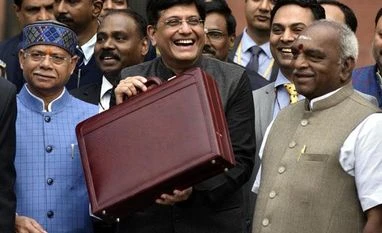 "Populism catches on")












 Connect with us on WhatsApp