The plastic problem

States lack the will to impose restrictions
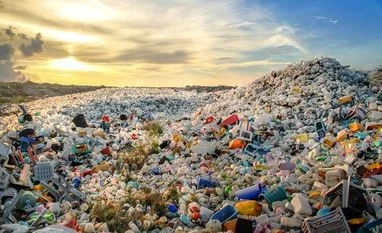
plastic, waste, environment, plastic pollution
Photo: Shutterstock
Business Standard Editorial Comment
3 min read Last Updated : Aug 22 2019 | 8:56 AM IST
Legal bar of some kind or the other on the use of disposable plastic shopping bags had already been in place in most states prior to Prime Minister Narendra Modi’s call to make India free of single-use plastics. Some of the states have also extended this ban to other use-and-throw products made of plastic, specially multi-layered plastic, which cannot be recycled. However, these injunctions remain largely on paper for want of effective enforcement except in parts of some states such as Himachal Pradesh, Uttarakhand and Sikkim. If the initiative results in triggering a mass anti-plastic movement, it would be good for terrestrial and aquatic environment, marine biodiversity, and human and animal health. 

Rough estimates suggest that about 26,000 tonnes of plastic waste is generated in India every day. About 90 per cent of it is neither recycled nor safely destroyed. The bulk of it ends up in landfills, where it lasts practically forever to pollute the environment and ground water through toxic gases and pernicious metals such as lead and cadmium. In cities, the discarded carry bags and wrappers clog the drains to cause flooding of roads. Plastic toxicity in food packed in recycled and inferior grade plastic poses a risk to human health. 

Nearly 80 per cent of the plastic produced is used for packaging. Curbing this usage would affect several businesses, notably food processing, beverages, wholesale and retail trade and e-commerce. They would have to invest in finding suitable and cost-effective replacements and installation of new machinery. Disposable carry bags are relatively easy to shun because their alternatives are available in the form of bags made of cotton, jute or other non-plastic fibre. Such bags used to be a regular part of shopping in the past. Of late, some types of bio-derived and bio-degradable substitutes of plastics have also been developed. These might find gainful application in some sectors.

According to a United Nations Environment Programme (UNEP) report, 127 of its 192 member countries have enacted legislations to regulate plastic bags. Over 25 of them have also imposed legal restrictions on other single-use plastic products such as water bottles, milk packets, ketchup and shampoo sachets, cups, glasses, cutlery, straws and take-out food containers. The stipulated deterrents include curbs on manufacture, distribution, use and trade; taxes and fines; and manufacturers’ extended responsibility to retrieve used products for safe disposal. Though the success of these measures is quite patchy, these have freed nearly 25 per cent of the world of plastic waste menace. 

India’s poor record in this field is not due to a paucity of legal framework but the lack of will to impose the mandated restrictions. This is reflected in the pliability of plastic waste management policies of both the states and the Centre. Almost all state governments tend to succumb to the industry’s pressure to grant wide-ranging exemptions from the plastic ban. The Centre, too, last year relaxed the plastic waste management rules of 2016 by dropping some stringent and result-oriented norms. This has defeated the very purpose of formulating these rules. Now that the Prime Minister himself has taken up the cudgels to eliminate plastic bags and single-use products, better results can be expected.


One subscription. Two world-class reads.

Already subscribed? Log in

Subscribe to read the full story →
*Subscribe to Business Standard digital and get complimentary access to The New York Times

Smart Quarterly

₹900

3 Months

₹300/Month

SAVE 25%

Smart Essential

₹2,700

1 Year

₹225/Month

SAVE 46%
*Complimentary New York Times access for the 2nd year will be given after 12 months

Super Saver

₹3,900

2 Years

₹162/Month

Subscribe

Renews automatically, cancel anytime

Here’s what’s included in our digital subscription plans

Exclusive premium stories online

  • Over 30 premium stories daily, handpicked by our editors

Complimentary Access to The New York Times

  • News, Games, Cooking, Audio, Wirecutter & The Athletic

Business Standard Epaper

  • Digital replica of our daily newspaper — with options to read, save, and share

Curated Newsletters

  • Insights on markets, finance, politics, tech, and more delivered to your inbox

Market Analysis & Investment Insights

  • In-depth market analysis & insights with access to The Smart Investor

Archives

  • Repository of articles and publications dating back to 1997

Ad-free Reading

  • Uninterrupted reading experience with no advertisements

Seamless Access Across All Devices

  • Access Business Standard across devices — mobile, tablet, or PC, via web or app

Topics :United NationsPlastic waste managementplastic waste

Next Story



