Avoid using suspect ATM machines; scamsters could clone your card

If the card reader protrudes outward or the keypad is covered by a thin film, avoid using the machine; while transacting, cover the keypad with your free hand so that no camera can record the pin

ATM
Photo: Shutterstock
Sanjay Kumar SinghTinesh Bhasin New Delhi | Mumbai
Last Updated : Aug 10 2018 | 12:13 AM IST
A Kolkata-based gang recently cloned a large number of ATM cards, according to media reports, cheating more than 300 people of their money. The modus operandi of the fraud, popularly known as skimming, is not new and continues to occur at regular intervals.

A device called a skimmer is installed in the card slot of the machine. When the card is inserted in the slot, this device captures the card details. A camera installed somewhere above the number pad captures the ATM pin. These details are then used either to clone a card, which is used to withdraw money from ATMs, or the details are used to shop online.

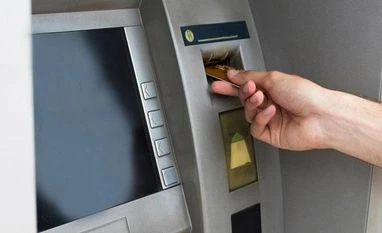
Investors need to be watchful to avoid falling prey to such frauds. "Does the card reader seem to protrude, does it seem loose or wobbly? Does the ATM pad seem different from the usual? If you observe any of these things, it is possible that the ATM machine has been tampered with. Avoid using such machines," says Radha Rama Dorai, managing director-ATM & Allied Services, FIS, a provider of banking and payments technology. If the card reader is wobbly or protruding outward, tug it outward to see if there is an attachment that has been installed. Sometimes, a thin film is placed on the keypad to capture keystrokes. If you notice any such film, again avoid using that machine.  

Dorai says that when feeding the pin into the ATM keypad, you should cover the keypad with your free hand so that no camera is able to record the pin. ATM machines located adjacent to a branch usually have a guard. It is safer to use such machines. Also, stick to machines at heavily frequented locations rather than those in standalone locations.    

Another precaution that all bank customers should exercise is to enrol for their bank's SMS service so that they can receive real-time alerts in case of a fraudulent withdrawal from their account. Some banks have introduced a feature of ‘locking’ the card or setting limits on how much can be spent using the card. Make use of these services.

Despite all these precautions, if your card does get compromised, call the bank and get your card blocked. This will prevent further withdrawals. Early notification will also help you get compensated if it is established that the breach did not occur due to your fault. The next step is to file a first information report (FIR) at a nearby police station.


One subscription. Two world-class reads.

Already subscribed? Log in

Subscribe to read the full story →
*Subscribe to Business Standard digital and get complimentary access to The New York Times

Smart Quarterly

₹900

3 Months

₹300/Month

SAVE 25%

Smart Essential

₹2,700

1 Year

₹225/Month

SAVE 46%
*Complimentary New York Times access for the 2nd year will be given after 12 months

Super Saver

₹3,900

2 Years

₹162/Month

Subscribe

Renews automatically, cancel anytime

Here’s what’s included in our digital subscription plans

Exclusive premium stories online

  • Over 30 premium stories daily, handpicked by our editors

Complimentary Access to The New York Times

  • News, Games, Cooking, Audio, Wirecutter & The Athletic

Business Standard Epaper

  • Digital replica of our daily newspaper — with options to read, save, and share

Curated Newsletters

  • Insights on markets, finance, politics, tech, and more delivered to your inbox

Market Analysis & Investment Insights

  • In-depth market analysis & insights with access to The Smart Investor

Archives

  • Repository of articles and publications dating back to 1997

Ad-free Reading

  • Uninterrupted reading experience with no advertisements

Seamless Access Across All Devices

  • Access Business Standard across devices — mobile, tablet, or PC, via web or app

Next Story




