Investors can take delivery or wait
With the government banning e-series on NSEL, investors are likely to be stuck for some time
Yogini Joglekar Mumbai The ban on the e-series contract on the National Spot Exchange Ltd (NSEL) could put retail investors betting on commodities in a spot.
The contract was targeted at investors who could buy small quantities, even a gramme or two, of their preferred commodity. One could also use the systematic investment plan (SIP) route to accumulate gold or silver through a long period of time. When one wanted to convert it into jewellery, he/she could get these goods delivered to jewellers.
However, following the government’s decision, which many experts say is a temporary one, retail investors who have been using this route to save gold would face hurdles. Experts say such investors could take delivery of the commodity and subsequently, sell it in the market. But the process is a cumbersome one; taking physical delivery of gold or silver is a risk retail investors might not want to take. They may seek to wait through the difficult period.
Unless the ban is revoked soon, SIP investors would find their instalments aren’t going through. Chintan Modi, head of commodities at India InfoLine, says, “It is the investor’s choice to either wait or discontinue the plan.”
Currently, NSEL allows converting gold units into coins or bars of eight, 10, 100 g and one kg. It charges Rs 200 for every conversion into eight and 10 g coins and Rs 100 for conversion into 100 g. There is no charge for conversion into one-kg bars. For conversion of electronic units into physical coins, one would also have to pay value-added tax of one per cent, as well as Octroi.
Taking delivery of investments in e-series may prove to be a tad expensive, owing to the various fees and charges. For instance, for delivery in coins---eight, 10 and 100 g or a kg, at a cost of Rs 200---one also has to pay one per cent value-added tax. Here, gold is bought in electronic form, and held in a demat account with an exchange-empanelled depository participant. A unit of e-gold is equal to a gramme of physical gold. One has to pay an annual maintenance fee of Rs 400-500 towards the demat account. Since the exchange has various delivery centres across India, Octroi charges (on delivery) would have to be borne by the investor. Hemant Rustagi of Wiseinvest says, “While e-gold is flexible and convenient to invest in, it is not as tax-friendly as gold ETFs (exchange-traded funds).” One can buy as little as a gramme in products of e-series, and one can do so even after market hours. However, this has a flip side, too. “There is no long-term capital gains tax if a person stays invested in e-series for 24 months, while the same benefit is available for gold ETFs and gold savings plans after 12 months.” Also, unlike e-gold, gold ETFs are not subject to wealth tax.

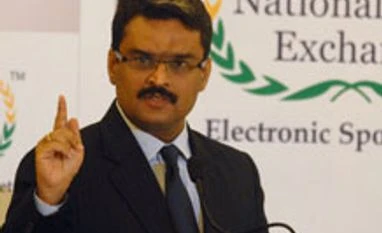 "Investors can take delivery or wait")


 Connect with us on WhatsApp