Why handicraft is expensive
Did you know a Kani Jamawar Kashmiri handwoven shawl can take up to three years to make? And that a phulkari dupatta takes minimum 30-60 days to embroider? Says Kirandeep Kaur, founder of Punjabi concept store 1469: “Depending on the time devoted by the artisan and intricacy of the design, it takes more than a month to make a dupatta. As women spare time from their day-to-day activities to make the dupattas for us, we don’t insist on rapid production. The historical essence of embroidering with love and blessings will be maintained only when they are given time and patience to create these treasures. On the other hand, machine-made dupattas are churned out in factories by operators- sometimes they may not be even made in Punjab nor made as a handicraft. But people who understand the technique and sweat involved in handwork value it and are willing to pay without bargaining.” Often, a layman cannot differentiate between hand- and machine-made. One has to check the back of the dupatta to check the stitch. The handmade dupatta is much lighter, while the machine-made one is usually done on a mixed fabric like polyester, which can withstand a number of thread combinations on it. Handmade phulkari bagh is expensive at Rs 6,500-9,000, while a machine-made version comes for Rs 2,500-4,000.

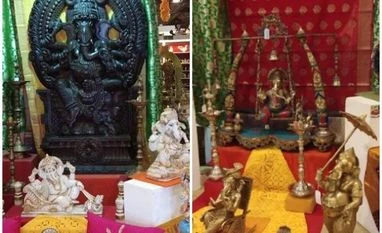 "Looking for handicrafts? Tips on identifying and buying an authentic piece")










 Connect with us on WhatsApp