Professionals should start preparing for tax filing
Documents like TDS certificate from clients and maintenance of books of accounts are necessary
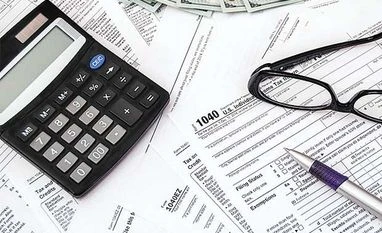
Tinesh Bhasin Professionals, unlike the salaried, have it a little tougher when it comes to filing income tax returns. This is because of the intricate documentation one has to maintain. One look at the information sought in the lengthy ITR-4 can be daunting. But, you still have three months to meet the annual tax filing deadline of July 31. You can organise all relevant documents and follow up with clients if you need anything from them.
Compute turnover and expenses: The best source to start from is your bank accounts. Get the statement for the entire financial year. Note down the payments you have received from clients and tally them with the receipts. There will be some payments you may have received in cash. Adding the two will give you the total turnover. Calculate expenses incurred to generate income. These could be the money you spent on travel, meeting clients at restaurants, phone bills, internet bills, and so on. "Make sure you are only claiming those expenses which are directly related to your work. Say, if you are using a phone or internet connection for both professional and personal purposes, allocate an appropriate ratio to your work," says Archit Gupta, chief executive and founder of ClearTax.in.
Claim depreciation: This can be claimed for assets used for the purpose of business. To do this, the assessee needs to have assets either in his name or in the name of the company. The amount of depreciation one can claim and the methods are laid out in the Income Tax Act, depending on the type of assets. Some of these assets include car, office furniture, office camera and office computer.
Books of account: This will probably consume the most time if you are unorganised. Every businessperson or professional needs to maintain books of account where the annual income is more than Rs 1.2 lakh or the total sales/ receipts are over Rs 10 lakh in any of the past three years. "Notified professionals like doctors, interior decorators, lawyers, architects, engineers and chartered accountants compulsorily need to maintain books of accounts without any limit of turnover or profits," says Vaibhav Sankla, director, H&R Block India. The I-T Act specifies the various documents professionals need to maintain. For example, people in a general profession should have a cash book, a journal, a ledger, carbon copies of bills and original bills.
TDS: A person can reduce tax outgo to the extent the client has deducted it from the payment. "To get this tax credit, the client needs to deposit the amount in the government treasury. To verify this, log on to the income tax e-filing account and click on the option that takes you to Form 26AS," says Sankla.
In case some of the TDS (tax deducted at source) is not reflecting, you will need to approach the client and ask them to update their accounts and issue you a Form 16.
When you need to deduct taxes: If you have employees and the salary paid to them is taxable, more than Rs 2.5 lakh a year, then you also need to deduct tax at source. If you hire freelancers and your gross receipts are more than Rs 25 lakh, you need to deduct tax while making payments of more than Rs 20,000. "If you are paying salaries, you must remember to deduct and deposit TDS timely. Quarterly TDS returns must also be sent to the tax department," says Gupta.
Borrowed money? If your bank account statement shows money borrowed from a friend or a family member, the money is not taxable. However, if it is waived off later, you will need to pay tax on it.
When audit is necessary: A professional is subjected to tax audit if the total gross receipts are more than Rs 25 lakh in a financial year. A chartered account can charge anywhere upwards of Rs 25,000 to audit book of accounts.
Missed advance tax? Not paying advance tax results in penal interest under Section 234B and 234C. The interest for late payment is set at one per cent simple interest on the amount of tax due, calculated from the individual cut off dates of advance tax instalments, till the date of actual payment of dues.
Service tax: "Those providing a service must make sure they comply with service tax rules," Gupta says. When you earn an income from a 'service', this tax is usually required to be paid by you, the provider of the service. You have to recover this tax from the receiver of such services.
CHANGES FROM NEXT FINANCIAL YEAR - The Union Budget had proposed presumptive taxation for professionals
- Professionals will be able to file returns without maintaining books of accounts
- Presumptive tax is applicable to those who have annual gross receipts below Rs 50 lakh
- Taxpayers can declare 50 per cent (or higher) of gross receipts as income
The Budget also proposed to change the advance payment schedule
Advance tax instalments will be increased from three to four, with the first date being June 15 
 "Professionals should start preparing for tax filing")


 Connect with us on WhatsApp