The elections to five states were followed by the election to the president of India. The election of Droupadi Murmu, the first woman tribal leader, established the BJP’s sway over a community that had seen the Rashtriya Swayamsevak Sangh’s (RSS’s) work and its power but had (largely) voted Congress. Murmu’s election means many things: a new definition of tribal identity, because Murmu changed her tribal name adopting the name of a Sanskritised deity of the Hindu pantheon; but also because as governor, she opposed a BJP-led government in Jharkhand from attempting to divert forest land for industry. The action reflected not just her own tribal identity but also the BJP’s understanding of the rights of the community. The ambassador of a western country posted in India said: “There is no country in the world that does ceremonials like India. When I first saw President Murmu, it was, for me, a metaphor for India: the brilliant lights and crystal chandeliers of the Rashtrapati Bhavan, its pomp and show – and the middle of it all, a diminutive woman in a white sari, in this huge velvet chair, watching proceedings unblinkingly, unfazed by the grandeur and buoyed by the thousands of years of wisdom of her ancestors….it was very impressive.”

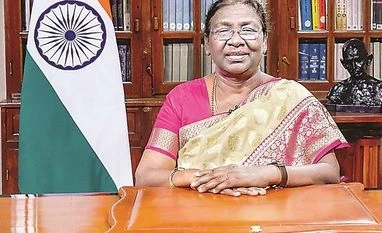 "Kejriwal, Murmu and Kharge: The three faces that defined politics this year")










 Connect with us on WhatsApp