New Parliament to be constituted before June 1, says CEC Sampath
Says the poll panel has already started preparations for the 2014 elections in which 780 million people may cast their vote
Press Trust of India Washington The next general elections would be held in multiple phases next year and be completed in time to constitute the 16th Lok Sabha by June 1, Chief Election Commissioner V S Sampath has said.
"National elections may be held in five, six or seven phases," Sampath said at an event at the Brookings Institute, an American think-tank, hosted in association with the US India Business Council and Confederation of Indian Industry.
He said the Election Commission (EC) has already started preparations for the 2014 elections in which 780 million people are likely to cast their vote at over 800,000 polling booths, using over 1.18 million electronic voting machines.
Without giving any details of the poll schedule, Sampath hinted that the election process could begin in mid-March and said the 16th general elections will elect 543 members.
"Indian elections never missed the deadline, even in most trying circumstances," he said yesterday. "Preparation is on."
"Tenure of the present Lok Sabha comes to an end on May 31. So the next House has to be before June 1. It is our responsibility to conduct the election before that date," he said, adding that the number of phases has yet to be decided.
He said the notification for the election would be issued three weeks before the first date of the poll and announcement of the election comes another three weeks in advance.
"So six weeks before the actual first day of the poll, the Election Commission would make the announcement of the election," he said, adding that the model code of conduct would come into force on the day the announcement is made.
"Summary Revision of electoral roll 2014 is in progress and India will have a new electoral roll published within a month," he said, adding the EC will continue its efforts to enroll any missing people and weed out wrong ones till close to the polls.
"Our close review of election preparedness in each part of the country will begin soon. Will cover law and order, logistics, condition of polling stations, resources, men and material and equipment," he said.
This would mean, he said, mobilisation of millions of temporary staff, supervisors and police forces and their planned deployment; putting in place sound mechanism to deal with possible threats like muscle power, money power and power of incumbency; creation of specific enforcement modules and imparting of time-bound training and scientific and comprehensive voter education and awareness measures to make the largest possible citizen participation.

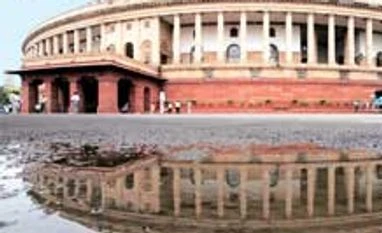 "New Parliament to be constituted before June 1, says CEC Sampath")


 Connect with us on WhatsApp