Home / World News / Awkward joint appearance for Castro, Obama
Awkward joint appearance for Castro, Obama
Cuba and the US lie just 145 kilometres apart, but appear to operate in different centuries
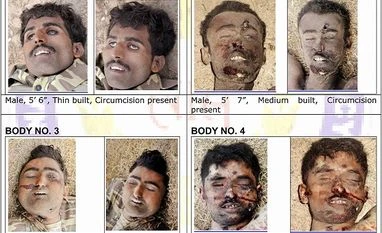
The photographs of the terrorists who were killed inside IAF Station Pathankot while they were carrying out terror attack on 2nd January 2016. The NIA has annouced a reward of upto Rs 1 lakh for any information regarding them.
Edging back from the podium during a joint press conference with Barack Obama, Cuban President Raul Castro began to fidget with his headphones and look around the room quizzically.
"What did you say about political prisoners? Can you repeat that question about political prisoners?" the 84-year-old Castro asked.
Obama and Castro talked up a new era in US-Cuba relations yesterday, but two cultures, two political systems and two generations collided spectacularly during a sometimes testy and frequently awkward joint appearance.
The scene inside the Palace of the Revolution -- carried live on Cuban television -- appeared nothing short of revolutionary for a former guerrilla commander who has spent a lifetime near the apex of power in a one-party state.
For weeks before that moment, Cuban and American officials had been locked in intense negotiations about whether reporters would be allowed to ask questions after a historic meeting between the two leaders in Havana.
After all, Chinese President Xi Jinping had faced reporters' questions when Obama went to Beijing.
In the end, Castro had agreed to mark the first visit of a US president in 88 years with one question from journalists less reverential than Cuba's state-controlled media.
It was just one of a series of differences to overcome between old Cold War enemies and two men who were born 30 years apart -- one in the heart of global capitalism, the other in a tropical testing ground for Communist ideology.
Cuba and the United States lie just 90 miles (145 kilometres) apart, but appear to operate in different centuries.
While Americans fetishize the new and shiny, Cubans out of necessity tend to cars that were built before Obama was born.
As the questions rolled in, the negotiated common ground between those two worlds appeared to fall away.
"You are asking me too many questions," Castro half-joked. "I think questions should be directed to President Obama."
The tension built as Obama appeared to fear he had gone too far in pushing for more questions, before pressing his point yet further.
"He did say he was only going to take one question, I was going to take two, but I leave it up to you if you will address that question," Obama said, adding: "I'm sure she'd appreciate just a short brief answer."
"There is a program here to be fulfilled," said Castro. "I know that if I stay here, you'll make 500 questions. I said that I was going to answer one. Well, I'll answer one and a half."
After sketching out another answer, Castro declared, "We have concluded."
But the awkwardness was not yet over.
As the two leaders milled around the stage, feeling their way to the exit, an effort by Castro to raise Obama's arm in victory fell flat.
Instead of the leftist symbolism of a clenched fist, Obama opted to let his wrist go limp.

 "Awkward joint appearance for Castro, Obama")


 Connect with us on WhatsApp