'Bank of England helped Nazis sell gold ahead of WWII'
The UK central bank also sold gold for the Nazis in June 1939, without waiting for approval from Westminster
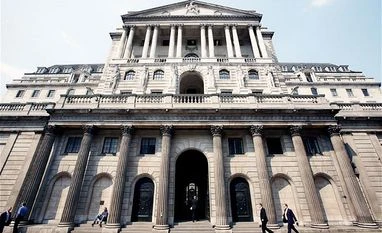
Press Trust of India London The UK's central bank helped the Nazis sell gold plundered from Czechoslovakia months before the outbreak of the Second World War, according to the apex bank's official history.
The official history of the Bank of England, written in 1950 but posted online for the first time yesterday, detailed how the "Old Lady" transfered gold held in its vaults to the Germans despite the UK Government of the day placing a freeze on all Czech assets held in London.
In the history, the Bank of England insists its role in the episode was "widely misunderstood", even though it "still rankled for some time", The Telegraph reported.
The Nazis invaded Czechoslovakia in September 1938. In March the following year, the Bank of International Settlements (BIS) asked the Bank of England to switch 5.6 million pounds-worth of gold from an account for the Czech national bank to one belonging to the Reichsbank.
Much of the gold - nearly 2,000 gold bars - was then "disposed" of in Belgium, Holland and London.
The BIS was chaired at the time by Bank of England director, German Otto Niemeyer.
The UK central bank also sold gold for the Nazis in June 1939, without waiting for approval from Westminster.
"There was a further gold transaction on the 1st June, 1939, when there were sales of gold (440,000 pounds) and gold shipments to New York (420,000 pounds) from the No.19 account of the BIS," the banks history says.
"This represented gold which had been shipped to London by the Reichsbank. This time, before acting, the Bank of England referred the matter to the Chancellor, who said that he would like the opinion of the law officers of the Crown," it says.
"On the BIS enquiring, however, what was causing delay and saying that inconvenience would be caused because of payments the next day, the Bank of England acted on the instructions referring to the Law Officers, who, however, subsequently upheld their action," the official account says.
Just three months later the Government declared war on Germany, following its invasion of Poland.
In the official history, the Bank insisted that it would have been "wrong and dangerous" for the future of BIS if Governor Montagu Norman had taken any other course of action.
It claimed the UK and French governments would have breached peace treaties if they had blocked the move.
Historians have argued that Montagu Norman supported Germany right up until the Second World War. He reportedly attended the christening of the son of Dr Hjalmar Schacht, president of the Reichsbank before the war.

 "'Bank of England helped Nazis sell gold ahead of WWII'")

