China eyes market reforms after top economic meeting
Beijing's economic planners will 'allow the market to play a bigger role' and 'strengthen structural reforms'
AFPPTI Beijing China is eyeing strict management of local debt and increased housing reform as part of moves to shore up growth in the world's second largest economy, state media said today, after the close of a key economic forum.
Beijing's economic planners will "allow the market to play a bigger role" and "strengthen structural reforms", state news service Xinhua reported.
The statement came after the end of the Central Economic Work Conference, a secretive event that is closely watched for clues about the future direction of China's economic policy, especially development targets.
But no hard numbers, or even plans, were apparent among Xinhua's reporting on how Beijing will deal with the country's economic challenges.
Overcapacity in manufacturing, mounting local government debt and a slowdown in the country's property market are among the factors that have weighed down growth in the Asian giant and put a drag on global markets.
At the conference, which began Friday, planners promising to implement long-called for structural reforms.
Among the proposed measures, Xinhua said, are plans to "defuse local government debt risks", including placing stricter limits on illegal fundraising.
Planners also said they will strengthen the role of markets in the economy creating "conditions for execution of bankruptcy rules".
The change is intended to deal with a key cause of overcapacity: unprofitable "zombie" companies that the government is unwilling to let die because of fears about such issues as social instability caused by layoffs.
The issue has led to massive overproduction in heavy industries such as coal and steel, where demand is low, but there are few consequences for uncompetitive companies.
The country will also work to boost the ailing property market by making it easier for rural residents to move to cities and buy up the country's massive housing glut, Xinhua said, adding the country would "promote the consolidation of property developers".
The reforms are all part of Beijing's attempt to transition the country from years of overheated GDP growth to a "new normal", where quality development replaces quantity.
But it has been a bumpy ride. Chinese growth hit a 24-year low in 2014 and has slowed further this year, raising concerns on global markets. The country logged its worst economic performance since the global financial crisis in the third quarter, with growth of just 6.9 per cent.
President Xi Jinping has said that the country should maintain a growth rate of at least 6.5 per cent if it hopes to achieve its goal of building a "moderately prosperous society" by 2020, an ambition that includes doubling national per capita income from 2010 levels.

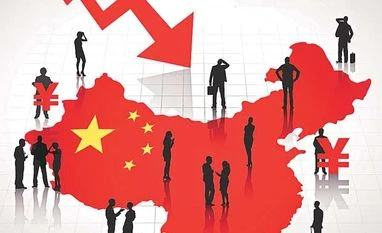 "China eyes market reforms after top economic meeting")

