Commerce Ministry meeting with pulse importers on Thursday
Based on inputs from private trade, govt will decide on amount of pulses PSUs will import the rest of the year to address price crisis
Press Trust of India New Delhi Concerned over widening gap in demand and supply of pulses leading to exorbitant rise in prices, the Commerce Ministry will hold a meeting tomorrow with importers on their strategy on dealing with the situation in the coming months.
The meeting will be chaired by the Commerce Secretary. The secretaries from Consumer Affairs and Agriculture will also attend the meeting, an official said.
Based on the inputs from private trade, the government will decide on the amount of pulses to be imported by PSUs for the rest of the year to address the crisis.
The meeting will deliberate on quantity of pulses that India can purchase from the overseas market at a time where there is sluggish supply of lentils even in the global market.
Production in key growing countries Myanmar, Canada and Australia has fallen sharply due to droughts.
For instance, tur output in Myanmar, the largest supplier of lentils to India, is estimated to have fallen to 200,000 tonnes in 2015 from 350,000 tonnes in last year, while urad output has dropped to 300,000 tonnes from 600,000 tonnes in the same period, the official added.
The import plan for pulses is being kept in place amid concerns that the supply gap may widen significantly if the rabi (winter) crop gets reduced due to adverse weather.
Pulses prices in most retail markets are still ruling as high as Rs 180 per kg due to fall in the domestic output by 2 million tonnes in the 2014-15 crop year (July-June) following 14 per cent deficit monsoon rainfall.
According to the official data, private players have imported 2.23 million tonnes of pulses during April-September of this fiscal, while the state-owned MMTC has imported 5,000 tonnes of tur.
The country's pulses production was 17.20 million tonnes in the 2014-15 crop year, much lower than the requirement of 25 million tonnes. The gap is being met through imports.

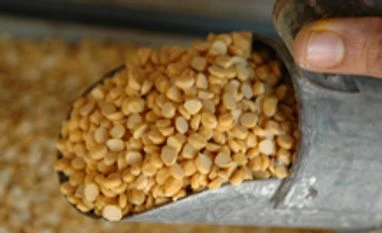 "Commerce Ministry meeting with pulse importers on Thursday")


 Connect with us on WhatsApp