FinMin working to remove 'unwanted discretions' in taxation

The move is a part of an exercise to streamline taxation structure and improve the country's image as an investment destination

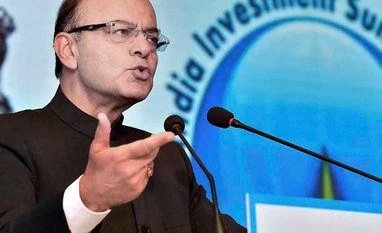
Finance Minister Arun Jaitley at inauguration of two-day India Investment Summit 2016, in New Delhi on Thursday, February 4, 2016 PTI
Finance Minister Arun Jaitley at inauguration of two-day India Investment Summit 2016, in New Delhi on Thursday, February 4, 2016 <b>PTI</b>
Press Trust of India New Delhi
Last Updated : Feb 28 2016 | 12:42 PM IST
The finance ministry is contemplating removing certain "unwanted discretions" as part of an exercise to streamline taxation structure and improve the country's image as attractive investment destination, sources said.

The objective of the exercise, they said, was to come out with "clear cut guidelines" on taxation with a view to prevent controversies pertaining to retrospective amendment of tax laws.

The stress will be on transparency, predictability and stability in the Indian taxation system.

All eyes would be on Finance Minister Arun Jaitley who is presenting the Union Budget tomorrow. In the last Budget, he had announced phased reduction in corporate tax to 25% from the current 30% and elimination of tax exemptions to companies.

Regime of exemptions has led to pressure groups, litigation and loss of revenue, and also leaves room for discretion (which many times have lead to controversies).

"Following recommendations from various departments, there is a need to have a fresh look at the existing tax exemption structure.

"The exercise holds importance as it will help in reducing discrepancies and discretions in the exemptions as well as introduce the much needed transparency in taxation," the source added.

The retrospective tax laws have adversely impacted India's image globally as an attractive investment destination, sources said.

"Experts are of the view that lack of transparency and unwanted discretion in existing tax laws is solely responsible for such episodes. There is an urgent need to address this issue as unnecessary exemptions also lead to loss of revenue.
*Subscribe to Business Standard digital and get complimentary access to The New York Times

Smart Quarterly

₹900

3 Months

₹300/Month

SAVE 25%

Smart Essential

₹2,700

1 Year

₹225/Month

SAVE 46%
*Complimentary New York Times access for the 2nd year will be given after 12 months

Super Saver

₹3,900

2 Years

₹162/Month

Subscribe

Renews automatically, cancel anytime

Here’s what’s included in our digital subscription plans

Exclusive premium stories online

  • Over 30 premium stories daily, handpicked by our editors

Complimentary Access to The New York Times

  • News, Games, Cooking, Audio, Wirecutter & The Athletic

Business Standard Epaper

  • Digital replica of our daily newspaper — with options to read, save, and share

Curated Newsletters

  • Insights on markets, finance, politics, tech, and more delivered to your inbox

Market Analysis & Investment Insights

  • In-depth market analysis & insights with access to The Smart Investor

Archives

  • Repository of articles and publications dating back to 1997

Ad-free Reading

  • Uninterrupted reading experience with no advertisements

Seamless Access Across All Devices

  • Access Business Standard across devices — mobile, tablet, or PC, via web or app

More From This Section

First Published: Feb 28 2016 | 12:28 PM IST

Next Story