The French government wants to write states of emergency into its constitution in the wake of the Paris attacks, according to a draft seen by AFP today.
It also wants to expand powers of house arrest and include in the constitution the power to strip dual nationals convicted of terrorism of their French citizenship.
In a rare move, France introduced a state of emergency in the immediate aftermath of the November 13 shootings and suicide bombings in which 130 people were killed in the capital.
Parliament subsequently voted overwhelmingly in favour of extending it for three months.
Up to now, the measure -- which gives police the power to carry out raids and arrests without judicial oversight -- did not feature in the constitution, only in a separate law that has rarely been used.
A more concrete change proposed by the government would see powers of house arrest extended for six months after a state of emergency expires.
The right to remove the citizenship of anyone with another nationality is also among the proposed changes to the constitution in cases where an individual is found guilty of acts that "constitute an attack on the fundamental interests of the nation or... An act of terrorism".
Any constitutional change requires a two-thirds majority in parliament.
Senior parliamentary figures were expected to examine the proposed changes today, government sources said.
The state of emergency has been criticised by rights groups and lawyers.
The National Council of Barristers said it "authorises raids on every location, day or night, including the home of a lawyer, a journalist, a politician."
Lawyers for climate activists who have been placed under house arrest to prevent them from protesting during the UN talks outside Paris have accused the government of abusing the powers.
Former prime minister Dominique de Villepin of the opposition Republicans warned yesterday against the "temptation to slide towards authoritarianism".
Since the Paris attacks, in which 130 people died, police have carried out more than 2,000 raids across the country.
More than 300 people have been placed under house arrest and three mosques have been shut for promoting extremism -- an unprecedented step in France.
Prime Minister Manuel Valls said Tuesday the state of emergency could be extended beyond its February limit, "given the scale of the threat".
Such measures are "decided on the basis of intelligence gathered by specialist services," he said.
The hardline response has helped boost President Francois Hollande's approval ratings to their highest since 2012, though the far-right National Front is also tipped to perform strongly in regional elections that begin on Sunday.

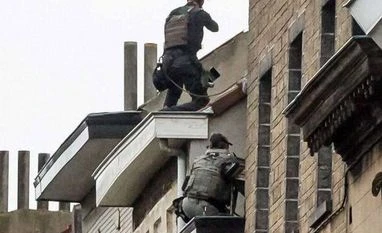 "Draft shows French govt wants to write state of emergency into constitution")


 Connect with us on WhatsApp