Germany reaches deal on migrant influx, imposes restrictions on relatives
Refugees who didn't face 'immediate personal persecution' will not be allowed to bring relatives to join them for two years
APPTI Berlin Germany's governing coalition has reached a deal to end the prolonged squabbling over measures to streamline its handling of the migrant influx, a result that means some Syrians may face a longer wait to bring relatives to Germany.
The agreement foresees that refugees who didn't face "immediate personal persecution" won't be allowed to bring relatives to join them for two years, Vice Chancellor Sigmar Gabriel said yesterday after meeting Chancellor Angela Merkel and Bavaria's governor, Horst Seehofer.
The coalition also plans to declare Morocco, Algeria and Tunisia safe countries of origin, Gabriel said, making it easier to send migrants back to those countries. Germany did the same last year for several Balkan nations whose citizens are barely ever granted asylum.
The package of measures, which was first tentatively agreed in early November, also foresees using special centers to quickly progress migrants who have little realistic chance of winning asylum. It has been held up since then as Merkel's and Seehofer's conservative parties squabbled with Gabriel's center-left Social Democrats over who should initially be blocked from bringing relatives to Germany.
The Social Democrats had taken the November agreement to mean that only a few people who receive "subsidiary protection" a status that falls short of formal asylum would face a two-year wait to be able to have relatives join them.
But the conservatives then argued that many Syrians some of whom came to Germany from neighboring countries rather than directly from Syria should get that status. Germany resumed closer checks of Syrians' cases at the beginning of the year.
Germany registered nearly 1.1 million people as asylum-seekers last year, among them nearly 430,000 Syrians. It is keen to ensure that this year's numbers are lower.
Gabriel said that about 20% of Syrians whose asylum applications have yet to be processed could be given "subsidiary protection" status, based on past experience.
But in future, still-to-be-negotiated quotas for bringing in refugees from Turkey, Lebanon and Jordan, family members of people already in Germany including those granted that status will be given priority, he added.
The deal still needs Cabinet and parliamentary approval. German officials also have long stressed the importance of making sure that migrants who don't gain asylum leave the country. Merkel said later yesterday that Germany's federal and state governments will discuss "how we can conduct returns better and faster."
Merkel said her government will work "country by country" with migrants' countries of origin to move the issue forward. "We want those with prospects of remaining to be integrated, but we also want to say that we need those who have no prospect of remaining to return," she said.

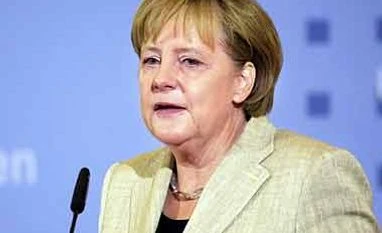 "Germany reaches deal on migrant influx, imposes restrictions on relatives")


 Connect with us on WhatsApp