India Ratings and Research (Ind-Ra) has revised its outlook for the cotton to stable for 2017-18, from negative last year due to balanced supply and demand situation, which will lead to stable cotton prices.
An increase in acreage, a rise in supply in the first quarter of 2017-18, due to demonetisation, and a decline in global inventory will assist in balanced supply, Ind-Ra said in a report here.
Declining global inventory, expected improvement in demand and the government focus on the textile sector will result in a steady increase in demand in FY18, it added.
Ind-Ra expects area to increase by 10-15 per cent to 120 million hectares in FY18, leading to increased production.
"The expectation is in view of recent high domestic cotton prices and high remuneration compared with other competing crops in marketing year (MY October-September) 2016-17," it added.
The expected increase in acreage in MY17-18 will help in maintaining stable prices in second half of FY18, if there is positive-to-stable sentiments among market participants about the global cotton trade, it said.
The expectation is in view of recent high domestic cotton prices and high remuneration compared with other competing crops in MY16-17.
Further, Ind-Ra projects a domestic stock-to-use ratio of nearly 13 per cent for MY17-18.
Ind-Ra expects global demand and supply to be relatively balanced in FY18, leading to stable prices.
It said, this expectation is in view of continued auction of Chinese reserves and other countries holding about six months of inventory.
Ind-Ra said, a single Goods and Services Tax rate for the textile industry is expected to increase costs for cotton yarn, which are exempt from tax, leading to an increase in the competitiveness of man-made fibres.
This, it said, will put pressure on cotton prices, however, increased competitiveness of man-made fibres will be subject to volatility in crude prices.
Ind-Ra expects cotton supply and prices to remain stable in the quarter one of FY18, compared with the usual trend of lower supply and higher prices during March-October.
This would be driven by curtailed supply during the third quarter of FY17 due to demonetisation, as many transactions involving the transport of cotton from farms to gins or mills are cash-based, it said.
Ind-Ra said a substantial increase in domestic mill cotton consumption, driven by a rise in demand for Indian textiles on account of higher government focus on the textile sector and consequent reduced dependence on exports, will lead to a revision in sector outlook to positive.
However, a substantial increase in global cotton production leading to a high stock-to-use ratio as that recorded for FY15, will lead to a revision in sector outlook to negative, it added.

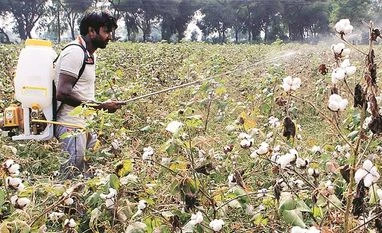 "Cotton prices to remain stable in Q1FY18; will buck usual trend: Ind-Ra")


 Connect with us on WhatsApp