Insolvency & Bankruptcy Code may help unlock Rs 25K cr NPAs: Report
He said the capital released can be deployed for other productive lending which could help in credit expansion
Press Trust of India New Delhi Effective implementation of Insolvency and Bankruptcy Code can potentially release about Rs 25,000 crore capital over next 4-5 years currently locked in bad loans, according to a report.
"If implemented successfully, the code will help India's banking sector catch up with or even exceed the recovery rates of 32% and average time taken off 2.8 years in other emerging markets," said an Assocham-Crisil joint study.
It said the capital released can be deployed for other productive lending which could help in credit expansion.
Insolvency and Bankruptcy Code, 2016, seeks to consolidate and amend laws relating to reorganisation as well as insolvency resolution of corporate persons, partnership firms and individuals in a time-bound manner.
Economic Affairs Secretary Shaktikanta Das last month had expressed hope that the Bankruptcy and Insolvency law would become operational by the end of this year.
Under the new law, notified in May, employees, creditors and shareholders would have powers to initiate winding up a process at the first sign of financial stress such as serious default in repayment of bank loan.
Highlighting that the code will contain slippages into NPAs (non-profitable assets) by spawning better credit discipline, the study noted that RBI has tightened norms for wilful defaulters, which, together with an implementation of the code will enhance recoveries from such borrowers and improve credit discipline.
The study also said that this legislation could improve recovery rate of asset reconstruction companies which has been low at an average of 36%, with resolution taking about five years.
"With the greater certainty of outcome and faster resolutions expected because of the code, the interest of both domestic and foreign investors in a lower-rated paper will increase over a period of time", the study said.
It also said that the code will help in protecting the creditors' interest when entrepreneurs or start-ups become insolvent and wind up their business, as the capital can be reallocated to efficient businesses. Besides, it will help entrepreneurs in initiating insolvency proceedings voluntarily.
However, the study highlighted various challenges like the current bad loan problems, time in the development of an insolvency ecosystem, more burden on Debt Recovery Tribunals, inter-creditor conflicts and limited market for secondary/used industrial assets like plant and machinery.

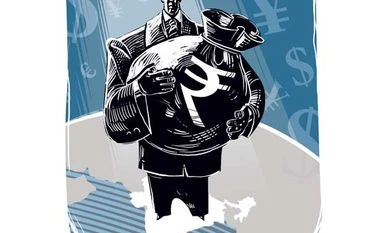 "Insolvency & Bankruptcy Code may help unlock Rs 25K cr NPAs: Report")


 Connect with us on WhatsApp