Japan govt gets support on China fly zone but airlines comply
The zone covers the Tokyo-controlled Senkaku islands
AFPPTI Tokyo
Japanese airlines said today they would obey Beijing's rules when they overfly the East China Sea, but several governments joined Tokyo in criticising China's latest bid to carve out a zone of control.
As administrations around the world began lining up against Beijing over its unilaterally-declared Air Defence Identification Zone (ADIZ), dismissing it as invalid, Japan's airlines said they would bow to China's demands.
All Nippon Airways (ANA) said that since Sunday it has been submitting flight plans to Chinese authorities for any plane that was due to pass through the area, which includes islands at the centre of a bitter ownership row between Tokyo and Beijing.
Its affiliate Peach Aviation said it was doing the same "for now".
The announcements came after Japan Airlines said it was complying with rules Beijing set down at the weekend, effectively giving it control over the airspace above a swathe of the East China Sea criss-crossed by vital transport lanes.
The zone covers the Tokyo-controlled Senkaku islands, which Beijing claims as the Diaoyus, where ships and aircraft from the two countries already shadow each other in a dangerous game of cat and mouse.
Australia said today it had summoned the Chinese ambassador to convey its opinion that "the timing and the manner of China's announcement are unhelpful in light of current regional tensions, and will not contribute to regional stability".
"Australia has made clear its opposition to any coercive or unilateral actions to change the status quo in the East China Sea," said Foreign Minister Julie Bishop.
Germany's government said the move "raised the risk of an armed incident between China and Japan".
The United States earlier came out forcefully in Tokyo's favour by affirming that the Senkakus fall under the US-Japan security treaty.
"This announcement from the Chinese government was unnecessarily inflammatory," White House deputy spokesman Josh Earnest told reporters aboard Air Force One.
Today, Japan's Prime Minister Shinzo Abe huddled with his foreign and defence ministers, with his spokesman decrying China's attempt to alter the status quo in the region "forcibly and unilaterally".
"In cooperation with the international community, we are strongly urging the Chinese side to make a correction," Chief Cabinet Secretary Yoshihide Suga told reporters.
Transport Minister Akihiro Ota insisted that the Chinese declaration was "not valid at all" and called on Japanese airlines to ignore it.
But Japan's main aviation companies had already acquiesced.

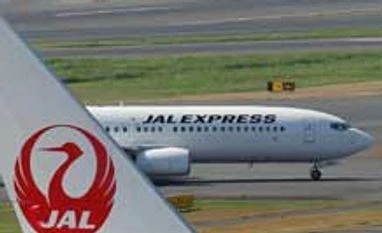 "Japan govt gets support on China fly zone but airlines comply")


 Connect with us on WhatsApp