
ThyssenKrupp JV blow a tad credit-negative for Tata Steel, says S&P
The steel major's Indian operation will largely be able to offset the impact of the collapse
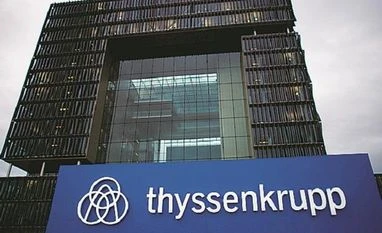 "ThyssenKrupp JV blow a tad credit-negative for Tata Steel, says S&P")
WebinarsNew
Deep DiveNew
Explore Business Standard
The steel major's Indian operation will largely be able to offset the impact of the collapse
The collapse of Tata Steel's proposed joint venture with German conglomerate Thyssenkrupp is "marginally credit negative" for the Indian steel major, a global rating agency has said.
The steel major's Indian operation will largely be able to offset the impact of the collapse, it said.
"Tata Steel Ltd and Thyssenkrupp AG's decision to cease efforts on their proposed Europe joint venture is marginally credit negative for Tata Steel," S&P Rating said in a bulletin in the wake of the development.
This is likely to depress the ratio of funds from operations (FFO) to debt by about 100 basis points across our forecast horizon, it said.
Tata Steel and the German conglomerate decided to call off their proposed steel joint venture (JV), expecting the deal to be rejected by the European Commission over "continuing concerns".
"The cancellation of the joint venture will also leave Tata Steel exposed to the weaker and more volatile performance of the European operations until the company identifies an alternative strategy to deconsolidate the European operations," the global rating agency said.
"However, sustained high steel prices and continued robust profitability of Tata Steel's India business remain the more important factors for our positive rating outlook on the company (BB-/positive)," it said.
"We expect supportive steel prices and continued high utilisation in the India business to drive Tata Steel's FFO-to-debt sustainably above 15 per cent over the next six to 12 months. This is notwithstanding the drag from the retention of the Europe business and the lower-than-expected fourth- quarter profitability in 2019," S&P said.
The breakup of the proposed JV may also restrict the steel major to go for further acquisition in India.
"Any outsized spending by Tata Steel on new acquisitions would be a risk to our estimates, though we view this risk to be low-given that there are no large steel mills left to be auctioned in Indian bankruptcy courts," the bulletin said.
Tata Steel and ThyssenKrupp had signed definitive agreements in June 2018 to combine their steel businesses in Europe to create a 50-50 pan European joint venture company which could have formed the continent's second-largest steel company after Lakshmi Mittal's ArcelorMittal.
(Only the headline and picture of this report may have been reworked by the Business Standard staff; the rest of the content is auto-generated from a syndicated feed.)
First Published: May 14 2019 | 12:51 PM IST

