Kim Jong-Un credits nukes, not talks, for deal with South Korea
The agreement reached between the two nations pulled them back from the brink of an armed conflict and committed them to starting an official dialogue
AFPPTI Seoul North Korean leader Kim Jong-Un said nuclear weapons - not negotiating skills - secured what he described as a "landmark" agreement this week with South Korea to end a dangerous military standoff.
Chairing a meeting of the Central Military Commission (CMC), Kim credited the North with securing the deal, which had put the rival Koreas back on the path of "reconciliation and trust", the North's official KCNA news agency said today.
The agreement reached after marathon day-night talks in the border truce village of Panmunjom, pulled both sides back from the brink of an armed conflict and committed them to starting an official dialogue.
But Kim made it clear that sitting down to talks would not entail North Korea discussing the end of its nuclear weapons programme, which the young leader said was key to maintaining peace in the first place.
The Panmunjom agreement "was by no means something achieved on the negotiating table but thanks to the tremendous military muscle with the nuclear deterrent for self-defence", Kim told the meeting.
He underscored the need to channel "top priority efforts" into strengthening North Korea's military capability further.
The latest inter-Korean crisis had its roots in landmine blasts earlier this month that maimed two South Korean soldiers on patrol along the border with the North.
Seoul blamed Pyongyang and responded by switching on banks of giant speakers, which had lain silent for more than a decade, and blasting propaganda messages into North Korea.
The North denied any involvement and threatened to attack the propaganda units as cross-border military tensions soared.
The agreement reached in Panmunjom saw the North express regret - but not admit responsibility - for the maiming of the two soldiers, while the South undertook to cease the high-decibel broadcasts.
The talks were initiated by North Korea - a fact that some analysts took as a sign that Pyongyang had blinked first in an escalating showdown that included a rare artillery exchange across the land border.
In his speech to the CMC, Kim acknowledged and embraced the fact Pyongyang had sought the negotiations as evidence of its moral and strategic strength.
North Korea's initiative, "put under control the situation which inched close to an armed conflict, thereby clearing the dark clouds of war", he said.
While playing up Pyongyang's role, Kim stressed that the agreement was a "crucial landmark occasion" that offered both Koreas a chance to move forward to better ties.
The KCNA report on the CMC meeting noted that Kim had dismissed some members of the commission and dealt with an unspecified "organisational matter".

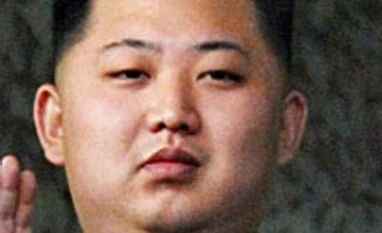 "Kim Jong-Un credits nukes, not talks, for deal with South Korea")

