Liquor in plastic bottles banned from April 1: Maharashtra govt tells HC
The govt said it has taken feedback from environmental organisations, activists seriously
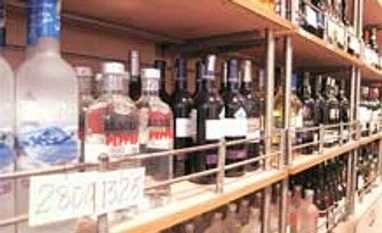
Press Trust of India Mumbai Sale of liquor in plastic bottles has been banned in Maharashtra with effect from April 1 this year, fearing it might harm the health of consumers, the state government has told the Bombay High Court.
A Government Resolution to this effect was issued on January 11, 2016, a pleader representing the state informed the bench headed by Justice V M Kanade which yesterday heard a public interest litigation (PIL) seeking a ban on sale of liquor in polyethylene terephthalate bottles or plastic bottles.
Accordingly, the bench disposed of the PIL filed by Global Enviro Solutions, an NGO, saying that nothing survived in the PIL as the government had banned sale of liquor in plastic bottles.
The PIL alleged that plastic material was soluble and migrated into the stored alcohol causing cancer to consumers.
The petition said that no time limit or expiry date was mentioned on the plastic bottles, and added that liquor becomes carcinogenic when stored in plastic bottles.
The petitioner produced reports of National Test House, a government lab, to show that antimony (poisonous chemical) increases when liquor was stored in plastic bottles.
Sanjay Gorwardkar and Sadhna Mahashabde, lawyers for Global Enviro Solutions, said that the Centre needs to consider the reports that the petitioners had produced, which point to the dangers of such plastic packaging for liquor.
Milind Sathe, the senior counsel representing bottle manufacturers, argued that Union government has constituted an expert committee comprising scientists to examine the effect of liquor or medicine storage in plastic bottles.
He said that the Centre has already notified draft plastic disposal rules which would take care of the activists' concern about improper disposal.
Meanwhile, during the course of hearing of PIL, the petitioner submitted a representation to the state government which issued the GR last month to ban the sale of liquor in plastic bottles.
The government resolution of January 11 makes it mandatory to use glass bottles in the sale of Indian Made Foreign Liquor (IMFL) and Domestic Liquor and has banned the use of plastic pouches and bottles made of polyethylene terephthalate (PET) and tetrapak from April 1, 2016.
While issuing the orders, the government said it has taken feedback from environmental organisations and activists seriously.
Both the GR have pointed to the dangerous leaching effect of plastic when storing alcohol and serious environmental concerns in disposal.
Plastic and plastic chemical substances (such as ethylene glycol) have the tendency to leach considerably into alcohol stored if the temperature goes up during storage, the order said.
While a glass bottle has higher resistance to leaching due to dealkalisation process it undergoes, plastic remains vulnerable, the GR further said.
A copy of the GR was presented to the court which took it on record and disposed of the PIL seeking ban on liquor in PET bottles.

 "Liquor in plastic bottles banned from April 1: Maharashtra govt tells HC")


