Nepal in fresh political turmoil as PM Oli resigns
Oli has been facing a no-trust motion after the Maoists withdrew support from the coalition govt
Press Trust of India Kathmandu Nepal’s embattled Prime Minister K P Oli resigned on Sunday ahead of a no-confidence vote, plunging the country into a fresh political turmoil after last year’s crippling Madhesi protests against the new Constitution.
Oli, who became prime minister last October heading Nepal’s eighth government in the past 10 years, has been facing a no-trust motion after the Maoists withdrew support from the coalition government.
Oli tendered his resignation after two key ruling alliance partners — Madhesi People’s Rights Forum-Democratic and Rastriya Prajatantra Party — decided to support the no-confidence motion tabled against him by the Nepali Congress and the CPN-Maoist Centre led by Prachanda. They had accused Oli of not honouring his past commitments.
Addressing the Parliament on the no-confidence motion, Oli said that he came to power nine months ago when the country was in a grave crisis and was “sad” that the government was changing at a time when it is overcoming the hindrances following last year’s deadly earthquakes that killed nearly 9,000 people.
“The game for a change in the government at this time is mysterious,” 64-year-old CPN-UML leader said, adding he was punished for doing good work.
Oli said Nepal-India relations was all-time low during the time he assumed power last year. However, with his efforts the relations were normalised.
He also mentioned about the Eminent Peoples Group’s meeting held in Kathmandu last week in which the discussions were held to review various treaties and agreements signed between Nepal and India including the Nepal–India Peace and Friendship Treaty of 1950.
“The relations between Nepal and China and the relations between Nepal and India are unique which cannot be compared with one another,” he said, adding his efforts have reduced Nepal’s economic dependency on a single country.
Nepal signed transport and transit treaty with China so that it could have access in both of its borders. Now the people of Nepal would not have to face the difficulty it future like it had at the time of border blockade, he said.
“Nepal should adopt equidistance in relations with its neighbours for the betterment of the country and the people.
We respect the sensitivity of both our neighbours and we also expect the same from them.”
However, we cannot accept interference in our internal affairs, though we want good relations with or neighbours, he added.

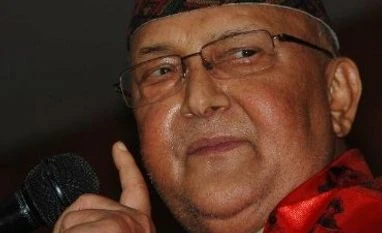 "Nepal in fresh political turmoil as PM Oli resigns")


 Connect with us on WhatsApp