
Risk-taking, upskilling key for making India hub for innovation: IBM CEO
Krishna also noted that cybersecurity is the risk of this decade and that cyber threats should be viewed in the same way as those in the physical world
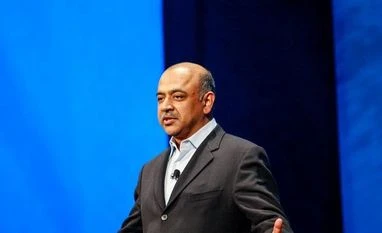 "Risk-taking, upskilling key for making India hub for innovation: IBM CEO")
WebinarsNew
Deep DiveNew
Explore Business Standard
Krishna also noted that cybersecurity is the risk of this decade and that cyber threats should be viewed in the same way as those in the physical world
Aspects like policies, risk taking abilities and massive skill upscaling in technologies like cloud and AI would play an important role positioning India a leading hub for innovation globally, IBM Chairman and Chief Executive Officer Arvind Krishna said on Wednesday.
Krishna also noted that cybersecurity is "the risk of this decade" and that cyber threats should be viewed in the same way as those in the physical world.
"Regulations and policy, risk taking and massive skill upscaling in the relevant technologies which I think are AI (artificial intelligence) and cloud for the next decade," Krishna said when asked about things that India has to get right in order to become a leading hub for innovation.
He said regulations and policy around issues like data would be important.
"I think the underlying data standards have been a hotly debated topic within India and I know the government is paying a lot of attention to it...because you have to enable it in a way that is not just good for the local economy, you have to do it in a way that allows export of services and software to happen," he said at the 29th Nasscom Technology & Leadership Forum 2021.
Krishna also noted that innovation also entails risks as only one in three ideas is likely to succeed.
"Inside the culture of an enterprise or firm, you've got to allow teams to be able to fail sometimes, but fail early and fail smart, don't go on for a long time," he added.
Krishna highlighted that IBM's research and development (R&D) team in India produces over 900 patents annually.
"Our R&D teams in India produce over 900, almost 1,000 patents a year. I think that's tremendous when you look at companies, a few 1,000 are considered to be leading edge and our team in India alone does almost 1,000 a year," he added.
Another important aspect is building the skills in new technology areas like cloud and AI, Krishna said adding that digital education does not have to displace or replace colleges and schools but augment them so that people come up with the right skills.
Talking about cybersecurity, Krishna said wars have been fought over land and banks have been robbed for money.
"Now that we're moving to an economy based on technology, then cyber becomes the way that either you can have nation states conduct effectively cyber warfare on each other, or criminals are using cyber to steal effectively, because data is the currency now," he added
He added that therefore, nations need to think whether they are going to put the same effort on the cybersecurity that they put on physical security and monetary security, he added.
(Only the headline and picture of this report may have been reworked by the Business Standard staff; the rest of the content is auto-generated from a syndicated feed.)
First Published: Feb 17 2021 | 5:37 PM IST


 Connect with us on WhatsApp