
Rockets strike near US base in Iraq, killing 1, wounding 5; Biden briefed
President Joe Biden has been briefed on the attack, which sparked fears of a new escalation in the region, according to a White House official
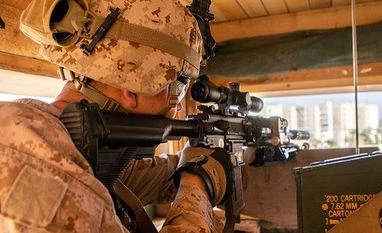 "Rockets strike near US base in Iraq, killing 1, wounding 5; Biden briefed")
WebinarsNew
Deep DiveNew
Explore Business Standard
President Joe Biden has been briefed on the attack, which sparked fears of a new escalation in the region, according to a White House official
Rockets struck outside Irbil international airport near where U.S. forces are based in northern Iraq late Monday, killing one U.S.-led coalition contractor and wounding more, Iraqi security and coalition officials reported, sparking fears of new hostilities.
At least three rockets hit areas between the civilian airport in the Kurdish-run region and the nearby base hosting U.S. troops. One civilian contractor with the coalition was killed and five others wounded, a coalition spokesman, Col. Wayne Marotto, said in a statement posted on social media. One U.S. service member was also injured, he said.
He did not reveal the nationality of the dead contractor and said this was under investigation.
No one immediately claimed responsibility.
At least two civilians were also wounded and material damage was caused to cars and other property, the security officials said, without providing more details. The rockets were launched from an area south of Irbil near the border with Kirkuk province and fell on some residential areas close to the airport.
The officials spoke on condition of anonymity in line with regulations.
Attacks targeting Irbil airport are rare. Monday's attack was the first to strike the area in five months.
On Sept. 30, when six rockets hit near the airport. Kurdish authorities said they had been launched from a pickup truck in the nearby town of Bartella in Ninevah province, which falls under federal government control.
Hoshiyar Zebari, a politburo member of the Kurdistan Democratic Party, said security officials were investigating the source of the attack. There will be consequences against the culprits. This aggression will not stand, he tweeted.
Rocket attacks have frequently target the U.S. presence in Baghdad, including the U.S. Embassy, as well as convoys ferrying materials for the U.S.-led coalition.
The frequency of attacks diminished late last year ahead of U.S. President Joe Biden's inauguration. The U.S. under the previous Trump administration blamed Iran-backed groups for carrying out the attacks. Tensions soared after a Washington-directed drone strike that killed top Iranian Gen. Qassim Soleimani and powerful Iraqi militia leader Abu Mahdi al-Muhandis last year.
Trump had said the death of a U.S. contractor would be a red line and provoke U.S. escalation in Iraq. The December 2019 killing of a U.S. civilian contractor in a rocket attack in Kirkuk sparked a tit-for-tat fight on Iraqi soil that brought the country to the brink of a proxy war.
U.S. forces have been significantly reduced in Iraq to 2,500 personnel and no longer partake in combat missions with Iraqi forces in ongoing operations against the Islamic State group.
(Only the headline and picture of this report may have been reworked by the Business Standard staff; the rest of the content is auto-generated from a syndicated feed.)
First Published: Feb 16 2021 | 6:40 AM IST

