
RTGS to be made available 24X7 in next few days: RBI Governor
RBI said that the Real Time Gross Settlement (RTGS) system, used for large value transactions, will be made available round-the-clock in the next few days
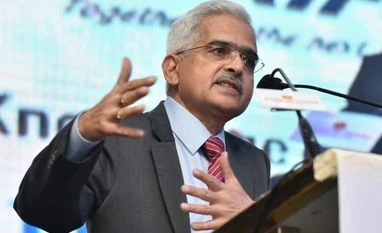 "RTGS to be made available 24X7 in next few days: RBI Governor")
WebinarsNew
Deep DiveNew
Explore Business Standard
RBI said that the Real Time Gross Settlement (RTGS) system, used for large value transactions, will be made available round-the-clock in the next few days
In a business friendly move, the Reserve Bank of India on Friday said that the Real Time Gross Settlement (RTGS) system, used for large value transactions, will be made available round-the-clock in the next few days.
In December 2019, the National Electronic Funds Transfer (NEFT) system was made available on a 24x7x365 basis.
Currently, RTGS is available for customers from 7.00 am to 6.00 pm on all working days of a week, except second and fourth Saturdays of every month.
RBI Governor Shaktikanta Das said RTGS system will soon be made available 24x7 in the next few days... with this enablement, it is proposed to reduce settlement and default risk in the system by facilitating settlement of AePS, IMPS, NETC, NFS, RuPay, UPI transactions on all days of the week instead of five days earlier."
This will make the payment ecosystem more efficient, he added.
In order to expand adoption of digital payment in a safe and secure manner, he said, it has been decided to enhance the limits for contactless card transactions and e-mandates for recurring transactions through cards and UPI from Rs 2,000 to Rs 5,000 from January 1, 2021.
This will depend on mandate and discretion of customers, he said.
Contactless card transactions and e-mandates on cards (and UPI) for recurring transactions have enhanced customer convenience in general while benefitting from increased use of technology, the statement on Developmental and Regulatory Policies by the Reserve Bank of India (RBI) said.
These are also well-suited to make payments in a safe and secure manner, especially during the current pandemic, it said, adding, the recent instructions on disablement of contactless feature on cards and empowering customers to control the limits on their cards have also brought in added safety for users.
Operational instructions will be issued separately.
It is to be noted that RBI stopped levying charges on transactions through NEFT and RTGS from July 2019, with an aim to promote digital transactions in the country.
RTGS is meant for large-value instantaneous fund transfers, while NEFT is used for fund transfers of up to Rs 2 lakh.
In order to deepen financial inclusion and protect customers by promoting financial literacy, a community led participatory approach through Centres for Financial Literacy (CFL) was implemented by the RBI through select banks and non-governmental organisations as a pilot project in 2017.
It is now proposed to expand the reach of the CFLs from 100 blocks currently to every block in the country in a phased manner by March 2024, he said.
(Only the headline and picture of this report may have been reworked by the Business Standard staff; the rest of the content is auto-generated from a syndicated feed.)
First Published: Dec 04 2020 | 12:00 PM IST


 Connect with us on WhatsApp