TPP agreement is core of Obama's Asia policy: US
The Trans-Pacific Partnership (TPP) trade deal aims to link 40% of the world's economy
Press Trust of India Washington The multi-nation Trans-Pacific Partnership (TPP) trade deal, which aims to link 40% of the world's economy, is the core of Obama Administration's Asia-Pacific policy, the White House said today.
"There's no denying that the TPP agreement is the core of our Asia policy. It's not the only element, but it is the core," White House Press Secretary Josh Earnest said.
"And our ability, and frankly our success now, in organising the interests of 11 other countries in the Asia-Pacific region is a testament to the amount of influence that the US wields," Earnest told reporters.
To use that influence in a way that opens up economic opportunity for American businesses and workers in 40% of the world's economy represents a substantial success in using that sway to benefit the American people, he said.
He nothed that China is seeking to expand its influence "in that region of the world."
"The ability of the US to cement our economic relationships with those countries, and to do so in a way that raises standards when it comes to protecting intellectual property, raising labour standards and raising environmental standards will be in the best interests of the US, because it will create a more level playing field on which American businesses and American workers can compete," he said.
Earnest said that President Barack Obama is confident that American businesses and workers can win if they are given a "more level playing field."
By completing a TPP agreement, that the actions of the administration are certainly having an impact in protecting US interests around the world, particularly in the Asia-Pacific region, the White House Press Secretary said.
The US, he noted, welcomes a rising China, and that there are responsibilities associated with countries that are rising and looking to expand their influence around the world.
"One example of that would be not bullying your neighbors just because you happen to be stronger and more influential and have a more advanced military, but that you actually seek to resolve disputes diplomatically, even when those disputes are relevant to territorial claims.
"That's certainly what we have encouraged China and everyone else in the region to do," Earnest said in response to a question.

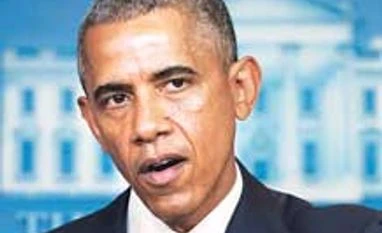 "TPP agreement is core of Obama's Asia policy: US")

