UPA's policies have given good results, record growth: PM
Singh said during UPA's regime since 2004, poverty has come down at thrice the rate achieved during the preceding decade
Press Trust of India Aizawl Prime Minister Manmohan Singh today said that the UPA government's policies and programmes for rapid and inclusive growth are showing good results and the country has seen a record average economic growth in the last nine years.
"The UPA government's policies and programmes for rapid and inclusive growth are showing good results. We have seen a record average rate of economic growth in the last nine years, which is higher than what the country achieved in any other decade so far," Singh said at an election rally here.
Singh said during UPA's regime since 2004, poverty has come down at thrice the rate achieved during the preceding decade.
"Consumption in rural areas has increased much more rapidly than before. People are living healthier lives and their average lifespan has increased by five years in the last decade," Singh said.
He also said that the government has taken various steps to ensure transparency and curb corruption.
"A number of steps have been taken for improving governance and curbing corruption and enhancing transparency and accountability in the work of public authorities.
Singh highlighted the Right to Education, Food Security Bill and MNREGA as UPA regime's landmark achievements.
"The Right to Information Act today entitles common citizen to get information about how a particular decision in the government has been taken," said Singh.
"The Right to Education has ensured that almost all the children get the benefit of primary education. The recent Food Security Act guarantees food security to 75 per cent of the rural and 50 per cent of the urban population. The MNREGA now reaches every fifth household in rural areas," he said.
On steps for development of tribals in the country, Singh said, "We have enacted a legislation to give ownership rights to our tribal brothers and sisters over land on which they have been living for centuries.
"Recently, a high-level committee has been constituted to determine the exact socio-economic status of tribal communities. The findings of this committee will help us design better policies and programmes for these communities," he added.

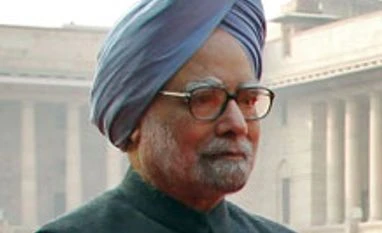 "UPA's policies have given good results, record growth: PM")


 Connect with us on WhatsApp