
Global markets, euro rally on hopes of Greece clinching debt deal
Stock markets across Europe and Asia rise more than 1%
 "Global markets, euro rally on hopes of Greece clinching debt deal")
Explore Business Standard
Stock markets across Europe and Asia rise more than 1%
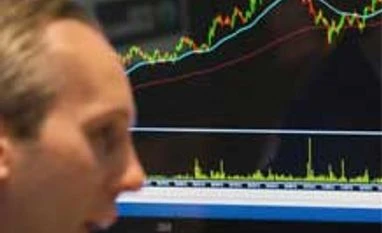
Global financial markets rallied on Friday on hopes that last-minute concessions by Greek Prime Minister Alexis Tsipras would clinch a deal with the country's international creditors and save it from bankruptcy.
Stock markets across Europe and Asia rose more than 1%, the euro gained and low-rated euro zone bond yields retreated, after a volatile week that saw Greece's banks remain shut following a referendum vote that rejected previous bailout terms and raised chances of a "Grexit" from the euro.
The new agreement is by no means a done deal. Greece's parliament still needs to throw its weight behind the proposals and trust with creditors needs to be rebuilt. But investors dialled down cautious trades and market volatility in Europe fell to its lowest in over two weeks.
"The 'no' in the referendum appears to be turning into a 'yes' from Tsipras," Commerzbank analyst Markus Koch said.
The euro climbed 1.3% against the yen to 135.60 and added 0.7% against the dollar to trade at $1.1115.
Chinese stocks were also buoyed by a raft of support measures from Beijing that appeared to calm investors. Panic selling had slashed a third of the value off mainland markets since its peak in June.
China's worries have spread to other markets, with iron ore the hardest-hit industrial commodity and oil prices also hit.
Confidence helped some commodities rebound. US crude was up 58 cents to $53.36 per barrel and Brent also up at around $59.12. Volatile trade kept London copper lower, however, and iron ore was headed for a steep weekly fall.
"Contrary to the hype and hysteria that has accompanied the fall in China share prices, there is unlikely to be any impact on bank solvency or underlying credit conditions," said Sean Darby, a strategist at Jefferies.
Japan's Nikkei stock index erased gains and ended a volatile session down 0.4%, closing below the psychologically significant 20,000 level for a weekly loss of 3.7%. That was the biggest weekly drop since October.
The silver lining is that valuations have become more attractive, which was drawing retail investors and pension funds who usually buy stocks when they are falling, according to market participants.
"Most people think the worst is over," said Isao Kubo, equity strategist at Nissay Asset Management.
First Published: Jul 10 2015 | 2:12 PM IST

