
Pakistan, Iran to open new border crossings to help boost trade
Bilateral talks between the two heads of state this weekend aim to boost trade relations and revive plans for a gas pipeline between the two countries
 "Pakistan, Iran to open new border crossings to help boost trade")
WebinarsNew
Deep DiveNew
Explore Business Standard
Bilateral talks between the two heads of state this weekend aim to boost trade relations and revive plans for a gas pipeline between the two countries
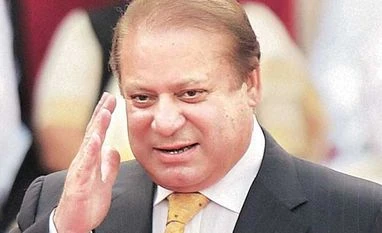
Pakistan will open two new crossing points on its border with Iran, Prime Minister Nawaz Sharif said on Friday, helping to encourage trade hampered by years of Western sanctions against Tehran.
Sharif spoke at a news conference with Iranian President Hassan Rouhani, who arrived in Islamabad on Friday on a two-day trip, the first by an Iranian head of state in 14 years.
Prior to the visit, Pakistan's foreign ministry said bilateral talks would focus on increasing Pakistan's electricity imports from Iran, boosting trade relations and reviving plans for a gas pipeline between the two countries.
"These additional crossing points will greatly reduce the (transit)... time between our two countries and contribute towards economic integration of our region," the Pakistani PM said.
Trade between Pakistan and Iran fell to $432 million in 2010-11 from $1.32 billion in 2008-09, according to the Trade Development Authority of Pakistan, after western powers imposed sanctions aimed at halting a nuclear programme they suspected was aimed at developing a nuclear bomb.
Most of the sanctions were lifted in January in return for Iran complying with a deal to curb its nuclear ambitions.
Iran currently exports around 100 megawatts (MW) of electricity to the areas of Pakistan that border Iran. Pakistan is in the final stages of negotiating a deal that will increase that to 1,000 MW, the ministry of water and power has said previously.
Energy-starved Pakistan suffers about 12 hours of power cuts per day and is keen to import Iranian oil, gas, iron and steel.
Iran is interested in Pakistani textiles, surgical goods, sports goods and agricultural products.
Pakistan also plans to set up industrial sites in the impoverished border area, especially petrochemical storage, and link the infrastructure to a $46 billion project with China dubbed the China-Pakistan Economic Corridor.
First Published: Mar 25 2016 | 9:34 PM IST


 Connect with us on WhatsApp