
Unilever aims to use only renewable energy by 2030
The company added that it would stop using energy from coal by 2020
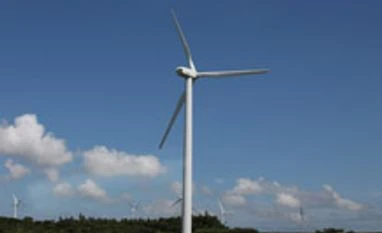 "Unilever aims to use only renewable energy by 2030")
WebinarsNew
Deep DiveNew
Explore Business Standard
The company added that it would stop using energy from coal by 2020
Consumer goods maker Unilever said it would switch to using only renewable energy by 2030 and would stop using energy from coal by 2020, as businesses jostle to highlight their green credentials ahead of a global climate summit.
World leaders were set to meet in Paris from November 30 to December 11 to agree on a plan to curb global warming.
Unilever was among 81 companies, along with rivals Nestle and Procter & Gamble , that have signed up to set emissions targets for their businesses with the aim of limiting global warming to less than 2 degrees Celsius.
Unilever Chief Executive Paul Polman is a leading advocate for the idea that there is a business case for sustainability even as his company's sales have slowed under the weight of a weak margarine business and slowing emerging market economies.
"If we don't tackle climate change we won't achieve economic growth. This is an issue for all businesses, not just Unilever. We all have to act," Polman, who will attend the talks in Paris, said in a statement.
Polman is part of a group of business leaders who want governments to commit to zero net emissions by 2050.
Nestle marked the US Thanksgiving holiday on Thursday by noting that volatile weather had hit the pumpkin harvest this year as it highlighted its aim of using more renewable energy, although it has yet to set detailed targets.
Under targets set in 2010, Unilever said it aimed to be eventually wholly powered by renewable energy, setting an interim target for renewables to meet 40% of its energy needs by 2020. It is now raising the 2020 target to 50% and aiming for 100% by 2030, up from 28% in 2014.
Unilever said it wants all the electricity it buys from the grid to come from renewable sources by 2020 and will seek to support renewable energy generation, so by 2030 it can make a surplus available to markets and communities where it operates.
Earlier this year, IKEA, the world's biggest furniture retailer, said it plans to invest heavily in renewable energy as it seeks to generate all the energy used in its shops and factories from clean sources by 2020.
Unilever says it has saved over 400 million euros ($424 million) through eco-friendly measures taken at its factories since 2008 and says its brands that most fully embrace sustainability - such as Dove, Lifebuoy, Ben & Jerry's and Comfort - perform the best.
First Published: Nov 27 2015 | 5:40 AM IST


 Connect with us on WhatsApp