BS Number Wise: Delhi's turnout in local elections is abysmal, shows data

Municipal polling doesn't draw crowds, and that's not just in India
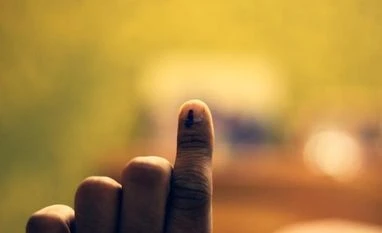
elections
Kolkata is the only metropolis where the average turnout in the last three local elections was higher than state elections and comparable with the national ones
Ishaan Gera New Delhi
2 min read Last Updated : Dec 09 2022 | 11:19 PM IST
When India held its first national elections in 1951, 45.7 per cent of the population turned up to vote. That was remarkable for a largely illiterate and newly independent country. By the third general election in 1962, the turnout had risen to 55 per cent. That is higher than what most cities poll today for their local bodies.

In elections for the Municipal Corporation of Delhi on December 4, the city registered 50.5 per cent voter turnout. In the 2020 Assembly elections, the city’s voter turnout was 12 percentage points higher, and the national elections in 2019 recorded a 60 per cent turnout (chart 1).

A Business Standard analysis found that in five of India’s biggest cities, the turnout is lower in local elections compared to voting for state assemblies and Parliament. In Mumbai, where local elections are due, the average voter turnout in municipal elections the last three times was 48.7 per cent. It was 49.9 per cent for state Assembly polls and 49.4 per cent for national elections.

Kolkata is the only metropolis where the average turnout in the last three local elections was higher than state elections and comparable with the national ones (chart 2).

Another reason for low turnout is the infrequency of elections. Chennai held local body elections in 2021 after almost a decade. Bengaluru is yet to hold its local body elections in seven years. The IT city has a bad record: after 2001, it took almost a decade to hold the next election in 2010.

It’s easier to mobilise people on national issues; India is no exception. The analysis found that in the UK, there was a 30-percentage point difference between turnout in the local and national elections. The US witnessed over 60 per cent turnout in the 2020 presidential elections but just 49 per cent in the 2018 mid-terms. For the mayoral elections, it was 23 per cent in 51 cities (chart 3).

Voter awareness is important, but devolution and delineation of power to cities would likely help increase turnout.


One subscription. Two world-class reads.

Already subscribed? Log in

Subscribe to read the full story →
*Subscribe to Business Standard digital and get complimentary access to The New York Times

Smart Quarterly

₹900

3 Months

₹300/Month

SAVE 25%

Smart Essential

₹2,700

1 Year

₹225/Month

SAVE 46%
*Complimentary New York Times access for the 2nd year will be given after 12 months

Super Saver

₹3,900

2 Years

₹162/Month

Subscribe

Renews automatically, cancel anytime

Here’s what’s included in our digital subscription plans

Exclusive premium stories online

  • Over 30 premium stories daily, handpicked by our editors

Complimentary Access to The New York Times

  • News, Games, Cooking, Audio, Wirecutter & The Athletic

Business Standard Epaper

  • Digital replica of our daily newspaper — with options to read, save, and share

Curated Newsletters

  • Insights on markets, finance, politics, tech, and more delivered to your inbox

Market Analysis & Investment Insights

  • In-depth market analysis & insights with access to The Smart Investor

Archives

  • Repository of articles and publications dating back to 1997

Ad-free Reading

  • Uninterrupted reading experience with no advertisements

Seamless Access Across All Devices

  • Access Business Standard across devices — mobile, tablet, or PC, via web or app

Topics :Municipal pollsIndian electionsBS SpecialBS Number Wise

Next Story



